
Contract Packaging Solutions That Solve Today’s Biggest Co-Packer Challenges
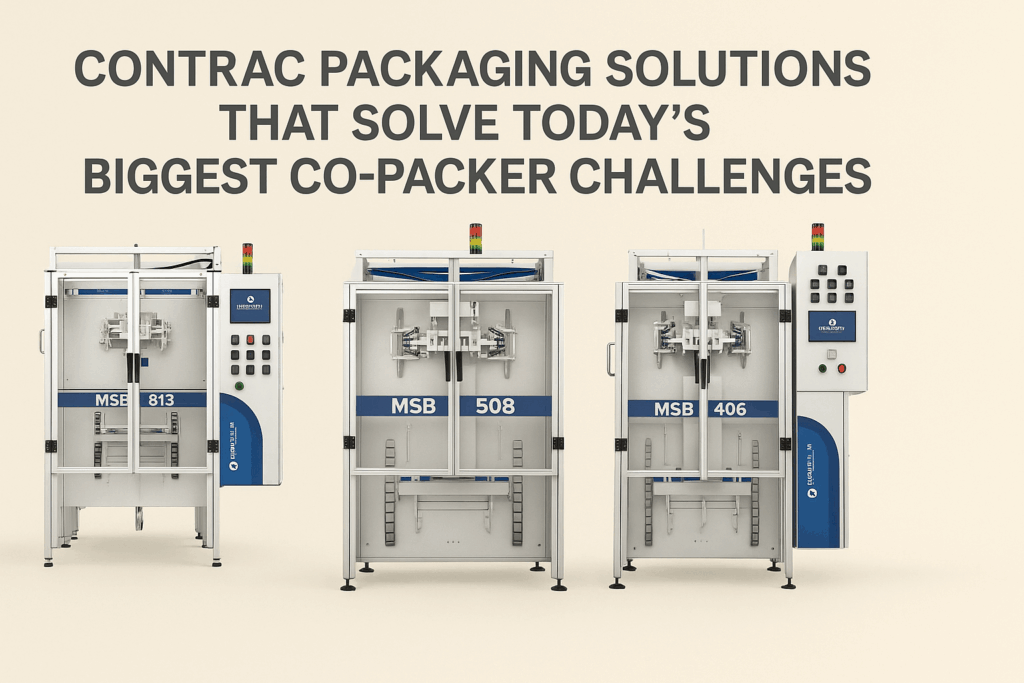
Co-packers face increasing pressure from brands to deliver more variety, faster turnarounds, and greener packaging, all while managing rising costs and tight margins. This blog explores today’s biggest co-packing challenges and shows how the Multi-Lane Sachet Baggers provide the speed, flexibility, and precision needed to stay competitive.
Sustainable Packaging Solutions That Give Co-Packers an Edge
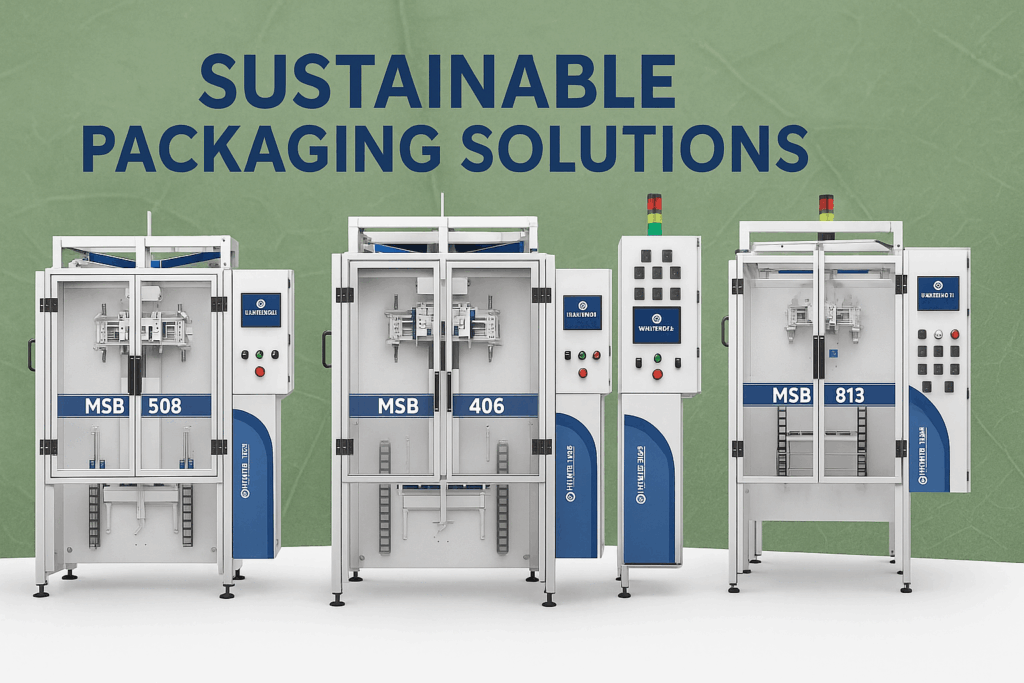
Discover how co-packers can gain a competitive edge by embracing sustainable packaging solutions. This blog explores the challenges of running recyclable materials, from fragile films to rising brand expectations, and introduces the MSB (Multi-Lane Sachet Baggers) Series as the solution. Learn how precision engineering, smart design, and scalable production help co-packers reduce waste, protect profitability, and deliver eco-friendly packaging at scale.
Organic Healthy Snack Packaging: Trends Driving the Future of Better-for-You Brands
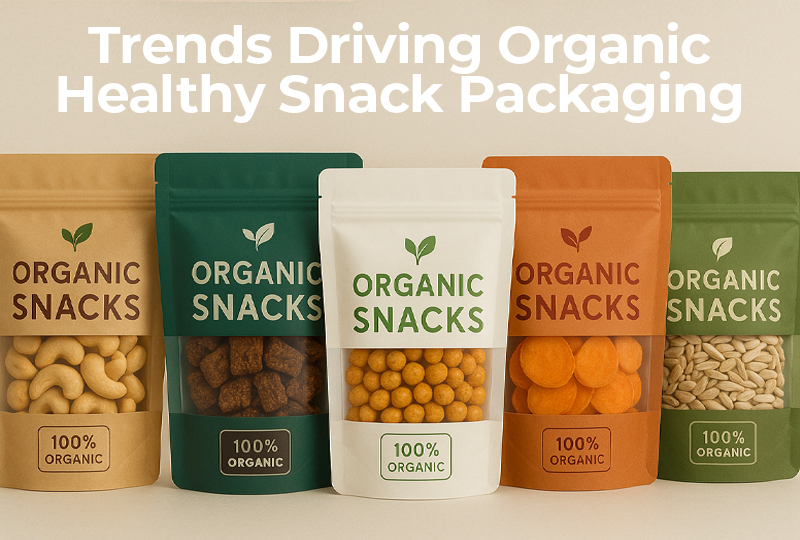
This blog explores the latest trends shaping organic healthy snack packaging, from the rise of flexible stand-up pouches to the growing demand for sustainable, clean-label solutions. It highlights how packaging has evolved into a powerful driver of trust, shelf appeal, and brand growth while addressing challenges like SKU complexity, e-commerce durability, and shifting consumer expectations in 2025 and beyond.
When Packaging Shapes Your Brand: Solving Challenges with the Right Organic Snack Packaging Machine
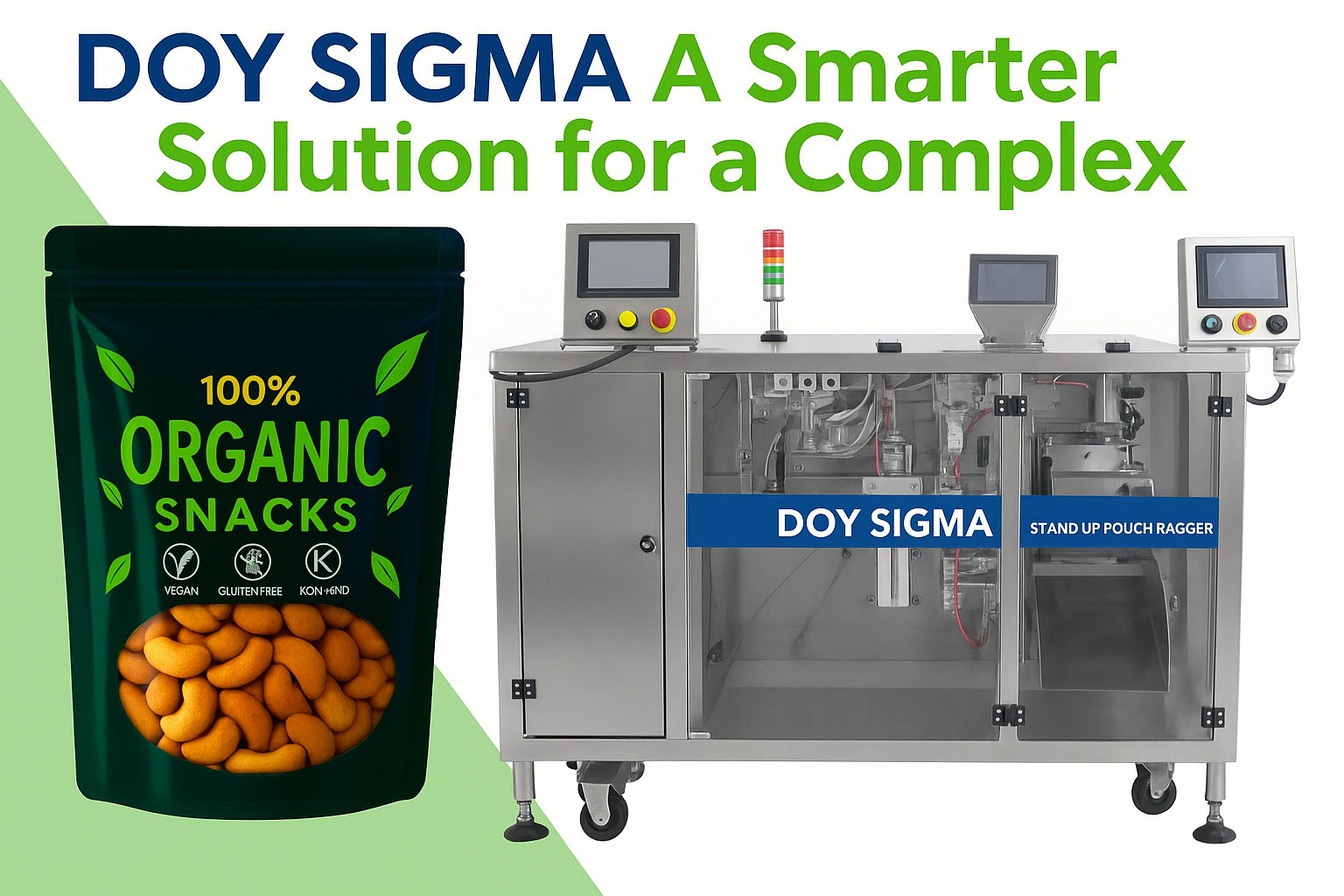
In today’s competitive organic snack market, the right snack packaging machine is critical to delivering freshness, protecting product quality, and meeting growing consumer and retailer demands. This blog explores how efficient, reliable equipment helps brands handle multiple pouch formats, reduce waste, and keep up with the fast-changing snack industry.
Sustainable Snacks Packaging: Turning a Challenge Into a Competitive Advantage
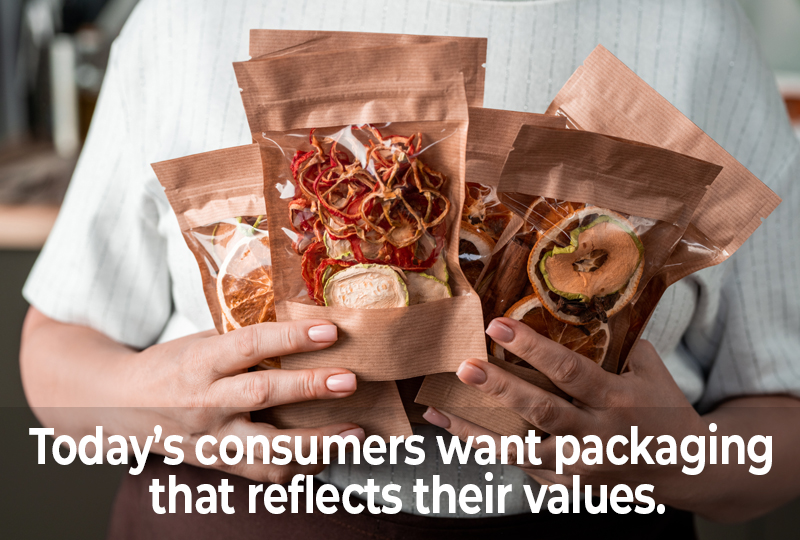
Sustainability has become a must-have in today’s organic snack market. This blog explores the challenges brands face when transitioning to eco-friendly packaging and highlights how modern solutions like the DOY Sigma help achieve precision, reduce waste, and win consumer trust while staying competitive.
Seafood, Poultry, and Meat Packaging Trends to Watch in 2025
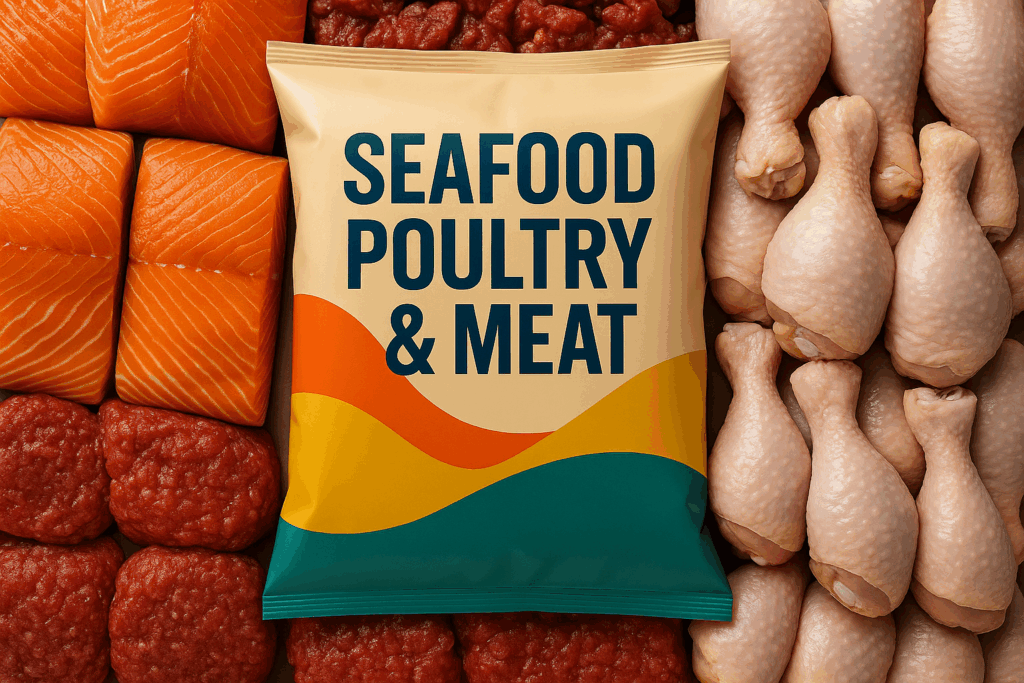
This blog explores the key trends shaping seafood, poultry, and meat packaging in 2025, from the shift toward flexible pillow bags to the growing focus on sustainability, food safety, and cold-chain efficiency. It highlights how producers can navigate evolving consumer demands, retailer expectations, and regulatory pressures to stay competitive in a fast-changing market.
Solving Seafood, Poultry, and Meat Packaging Challenges with the Right Meat Packaging Machine
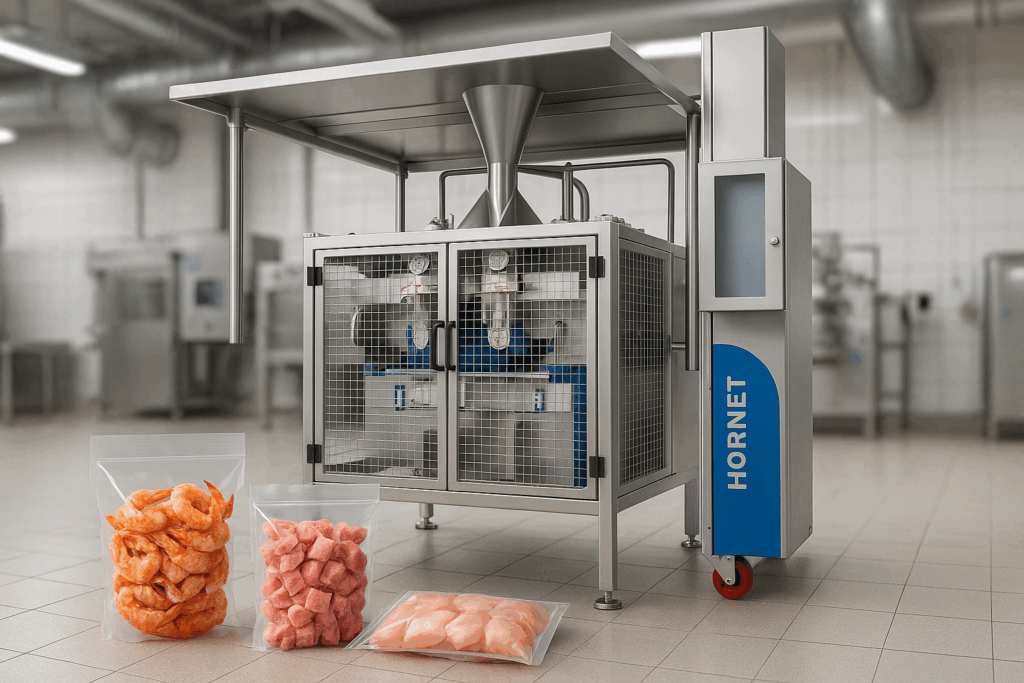
Seafood, poultry, and meat packaging face strict hygiene, cold chain, and efficiency demands. Discover the key challenges processors face and how a washdown-ready meat packaging machine can solve them with faster sanitation, consistent seals, and reliable performance.
Eco-Friendly Meat Packaging: Tackling Sustainability Challenges in Seafood, Poultry, and Meat
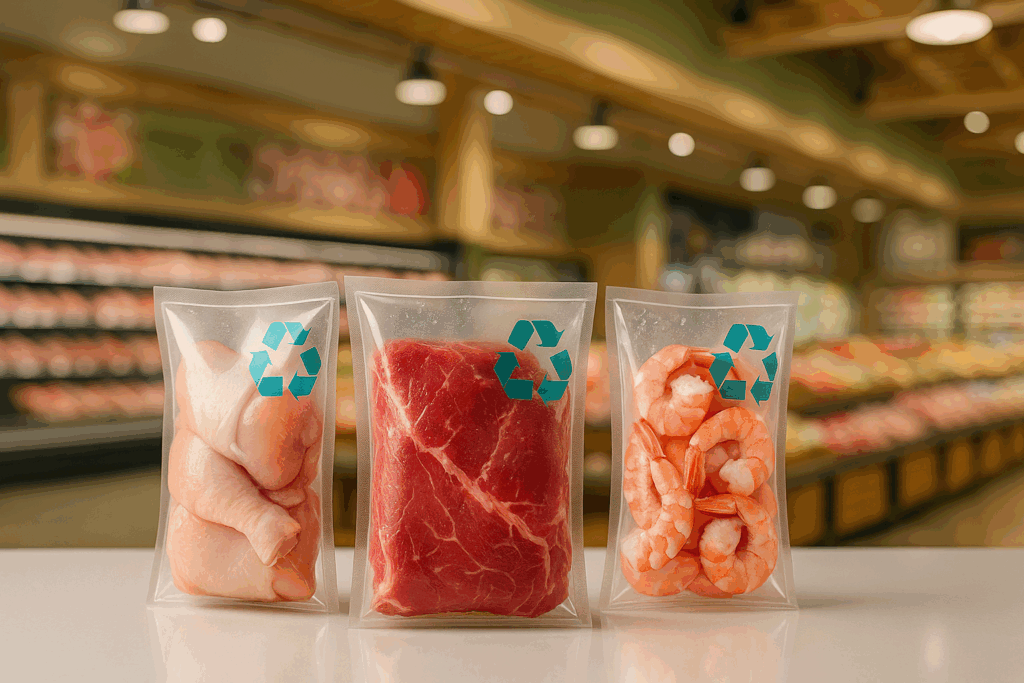
This blog explores the challenges seafood, poultry, and meat producers face when transitioning to eco-friendly meat packaging. It highlights how fragile sustainable films, production waste, and resource-heavy sanitation can undermine sustainability goals and shows how the Hornet Washdown packaging machine helps overcome these barriers.
Five Medical Device Packaging Trends That Are Reshaping the Future
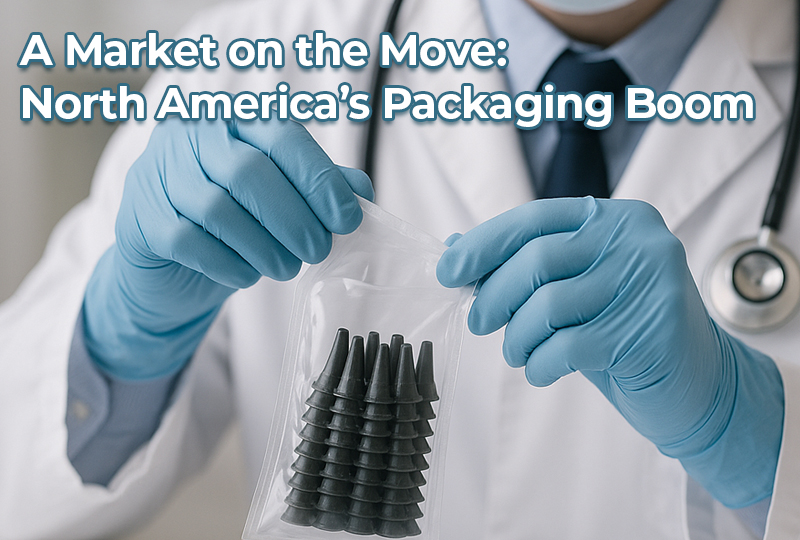
Discover the five biggest trends reshaping medical device packaging, from the rise of home healthcare to increasing sustainability and compliance demands. Learn how flexible packaging solutions can help manufacturers stay ahead in a fast-evolving industry. Partner with Unified Flex to create packaging systems that deliver sterility, precision, and scalability for the future of healthcare.
Solving Today’s Challenges With the Right Medical Device Packaging Machine
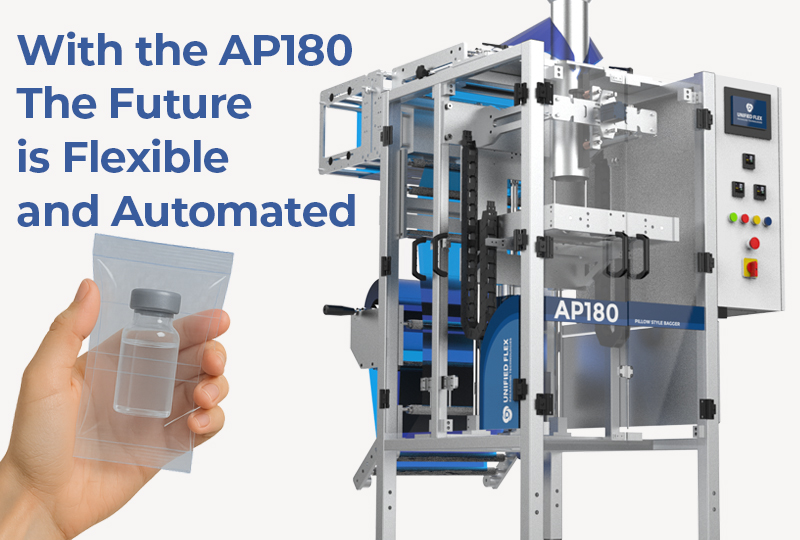
As demand for single-use sterile devices rises, manufacturers face mounting challenges in packaging, including maintaining product sterility, meeting strict compliance standards, and increasing output without incurring additional labor costs. Our latest blog dives into these challenges and shows how the Auto Pouch Bagger AP-180 offers a flexible, automated solution. Read the full blog to see how you can improve efficiency and stay ahead in today’s fast-paced healthcare market.