Packaging Engineers
Packaging Engineers
Why Your First Flexible Packaging Trial Isn’t Real Validation
A technical, decision-focused blog for packaging engineers on moving from a “successful first run” to a scalable, flexible packaging format and film, using early validation of sealing margin, cutoff/contamination behavior, web stability across roll changes, and quick lifecycle stress screens.
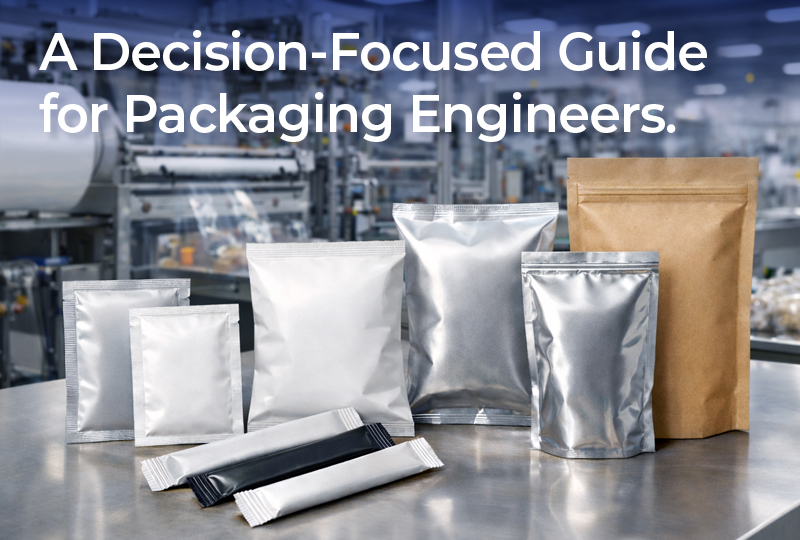
Engineering the Right Flexible Packaging Format: A Practical Feasibility Guide to Sachets, Stick Packs, Pillow Bags, and Gusseted Pouches
A decision-focused guide for packaging engineers comparing sachets, stick packs, pillow bags, and gusseted pouches through feasibility, not preference, covering what to validate early, how materials and sealing interact, and how to reduce late-stage redesign risk in flexible packaging.
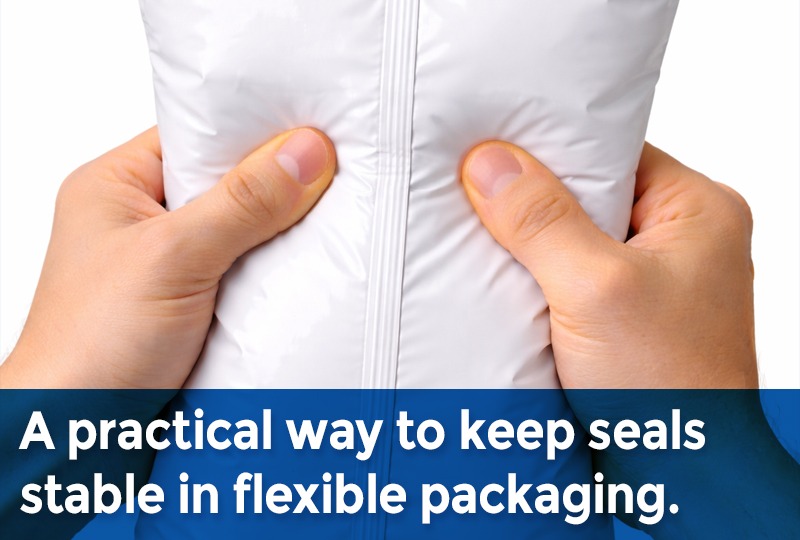
When Seal Integrity Drifts: Keeping Flexible Packaging Seals Stable Across Restarts, Roll Changes, and Speed
Seal integrity problems don’t usually show up during the first clean run; they show up after the first restart, the first roll change, or the first speed ramp. This article walks through a practical way to keep seals stable in flexible packaging by working inside a real seal window, using defect signatures to aim troubleshooting, and building a control plan that holds up across shifts. You’ll also see how Unified Flex supports consistency on the rollstock side with COF, thickness, heat-seal, and tensile testing, plus print inspection, so you can spend less time chasing drift and more time running product.

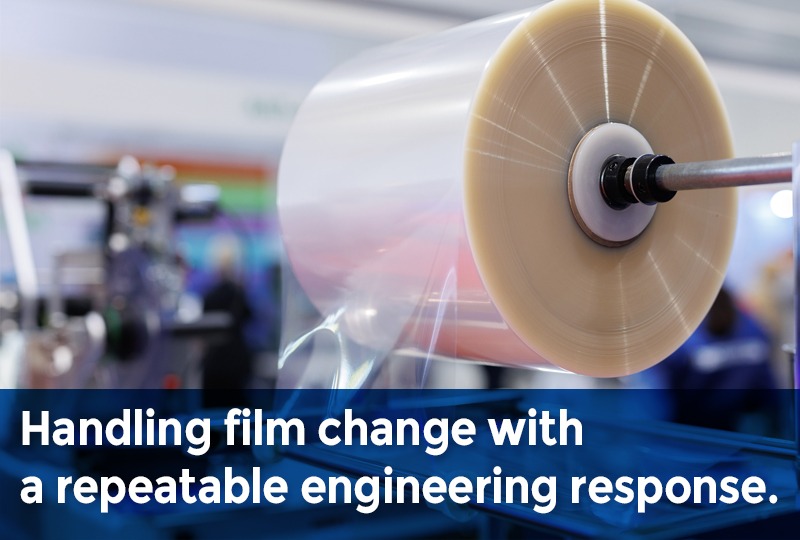
Flexible Packaging Film: How to Approve Changes Without Creating New Problems
Film changes don’t usually fail loudly; they show up later as leaks, tracking drift, and longer recoveries. This blog explains how to manage flexible packaging film changes using a simple, risk-based re-check process that protects line performance without slowing production.