
What Packaging Performance Really Looks Like Beyond Bags/Minute
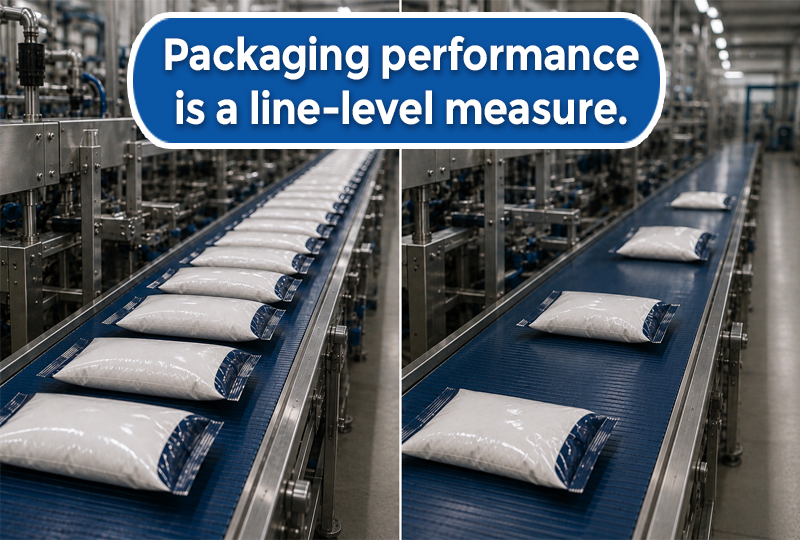
Packaging lines are getting faster, but are they getting better? This blog looks beyond bags/minute to explore what packaging performance really means and how effectively a line turns available production time into good packages at the required rate.
Spirulina Packaging: Why Stick Packs Have Become a Preferred Format
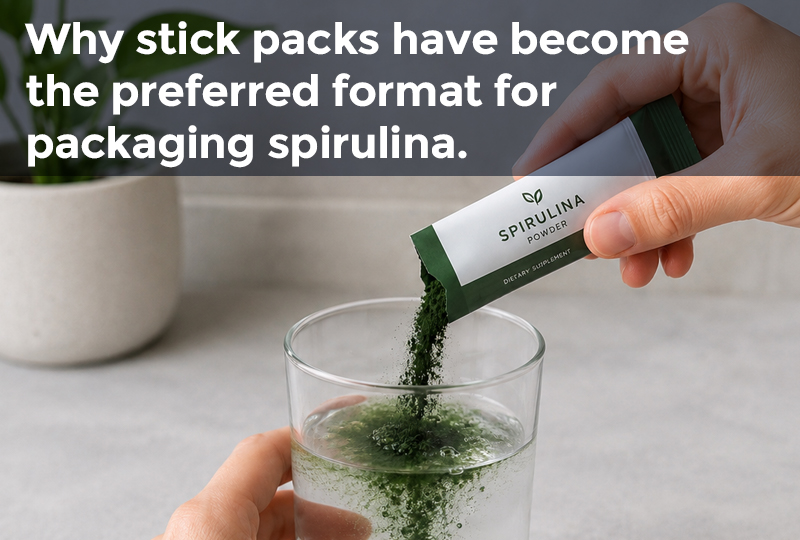
Discover how single-serving packaging is reshaping the spirulina market and why stick packs have become a preferred format for many manufacturers. This article explores how packaging decisions influence production efficiency, logistics, retail strategy, and future product growth beyond simply containing the product.
Spirulina Packaging: Overcoming the Challenges of Fine Powder Stick Pack Production
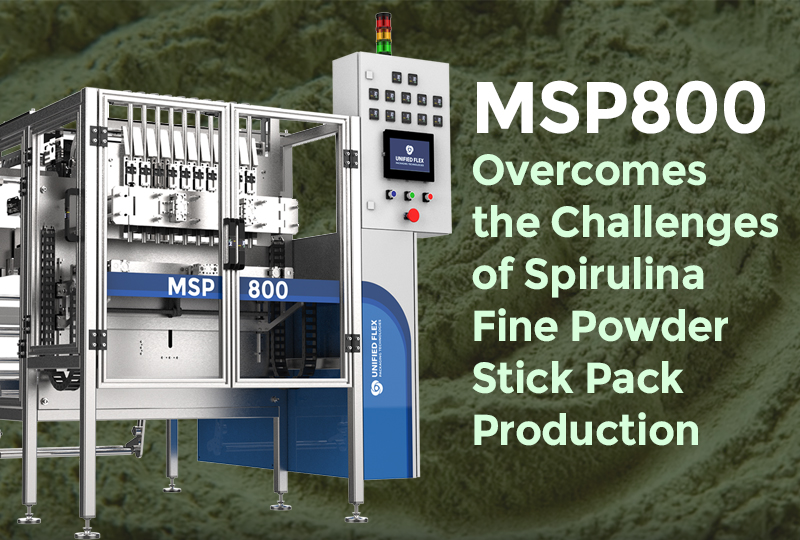
Fine particles and low bulk density make spirulina difficult to dose consistently over extended production runs. This blog explains why filling technology matters and how the MSP-800 supports accurate, repeatable multi-lane stick pack production.
Spirulina Packaging: Why Packaging Film Determines Stick Pack Performance
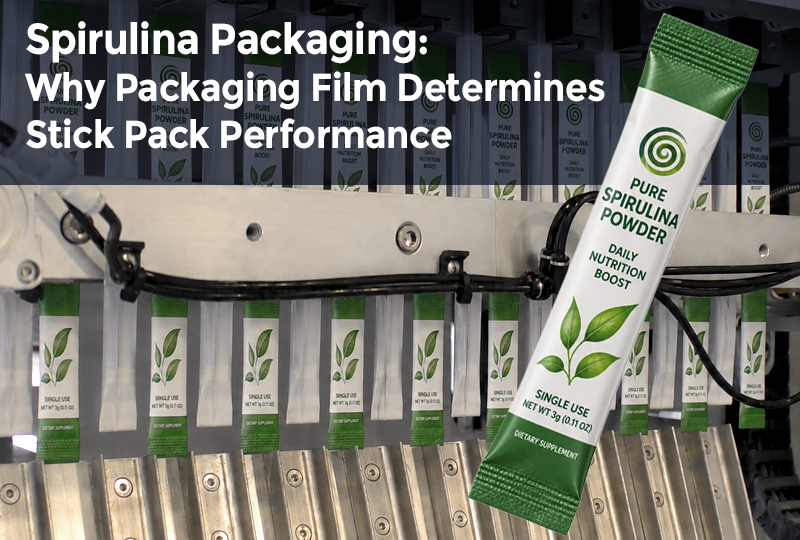
Selecting the right packaging film for spirulina stick packs requires more than choosing the highest barrier material. This article explores how film structure, processing characteristics, and production validation influence package quality, machine performance, and long-term manufacturing reliability in commercial stick pack production.
How Growing Demand for Disposable ECG Electrodes Is Changing Packaging Priorities
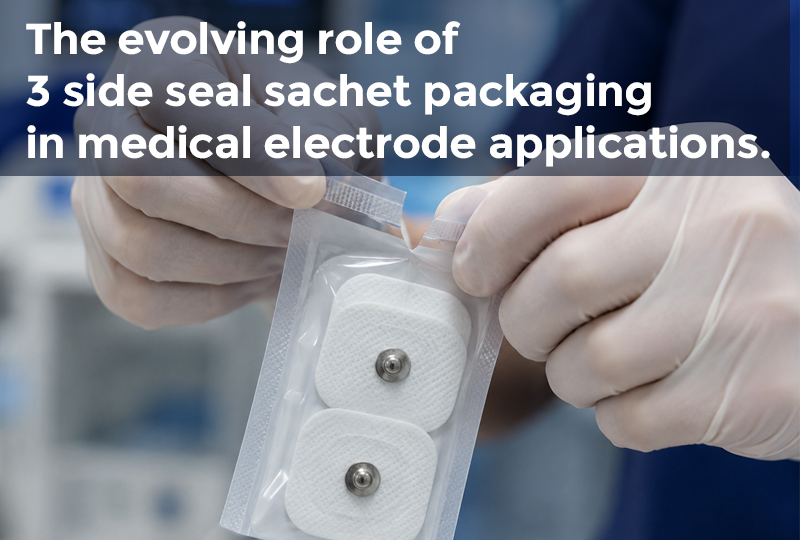
As the market for disposable ECG electrodes continues to expand, manufacturers are rethinking how packaging supports product quality, traceability, and distribution efficiency. This article explores the evolving role of packaging in medical electrode applications and examines why 3-side seal sachets remain a widely used format for balancing protection, information display, and operational practicality.
Disposable ECG Electrode Packaging: How Operational Complexity Shapes Packaging Decisions
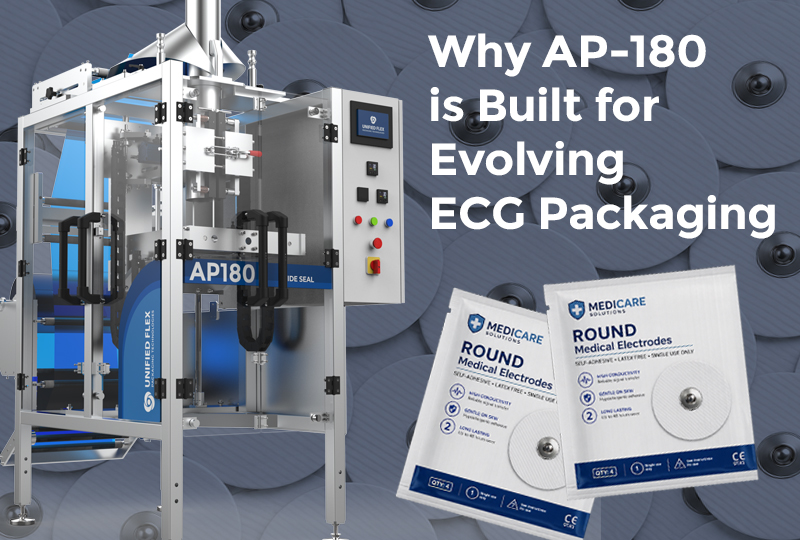
As production of disposable ECG electrodes expands, packaging operations often become more complex. Manufacturers must manage changing product configurations, traceability requirements, production coordination, and future growth without disrupting efficiency. This article explores how operational complexity influences packaging decisions and examines where packaging platforms such as Unified Flex’s AP-180 fit within evolving manufacturing environments.
Disposable EEG Electrode Packaging: Choosing Film That Supports Consistent Package Performance
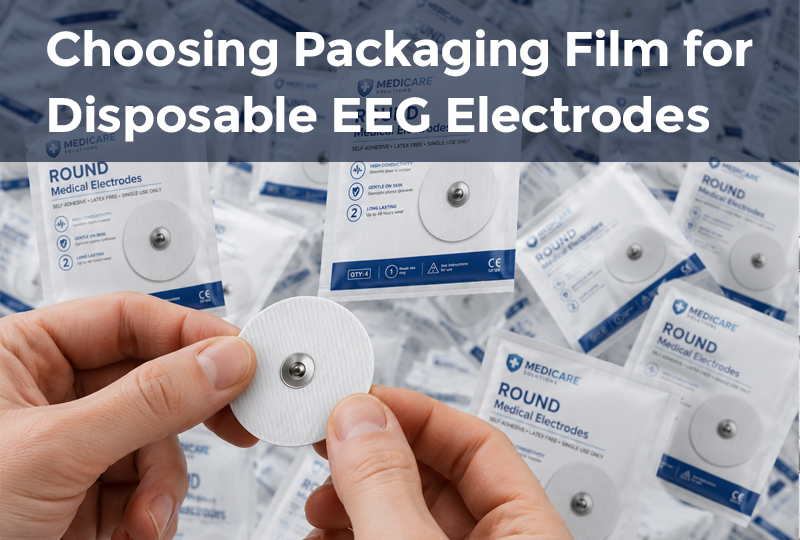
Selecting packaging film for disposable EEG electrodes involves more than comparing material specifications. This article explores how film properties influence process stability, why variability develops during production, and how manufacturers can evaluate materials based on real operating conditions rather than theoretical performance alone.
Turmeric Powder Packaging: Choosing Film That Supports Stable Production
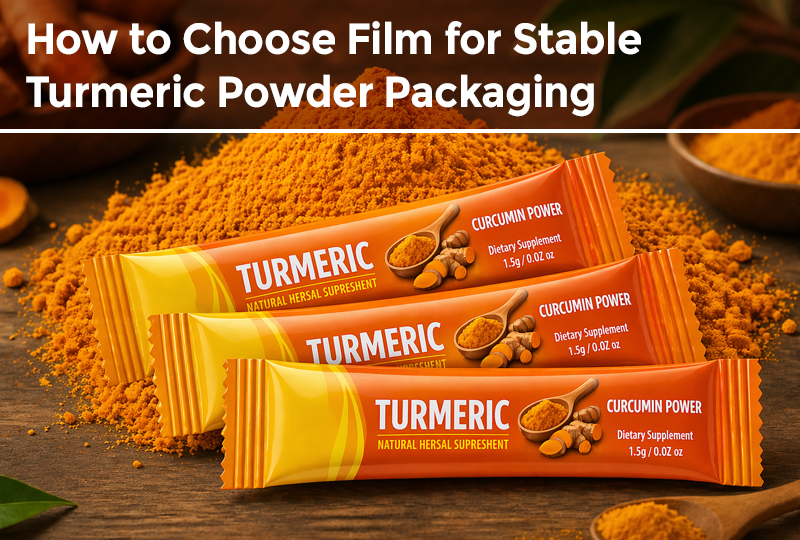
Turmeric powder packaging requires more than selecting a film that works in trials. This blog explains how film properties influence process stability and what to consider for consistent, real-world production.
Choosing the Right Turmeric Packaging Machine: Why the AP-140 Stands Out
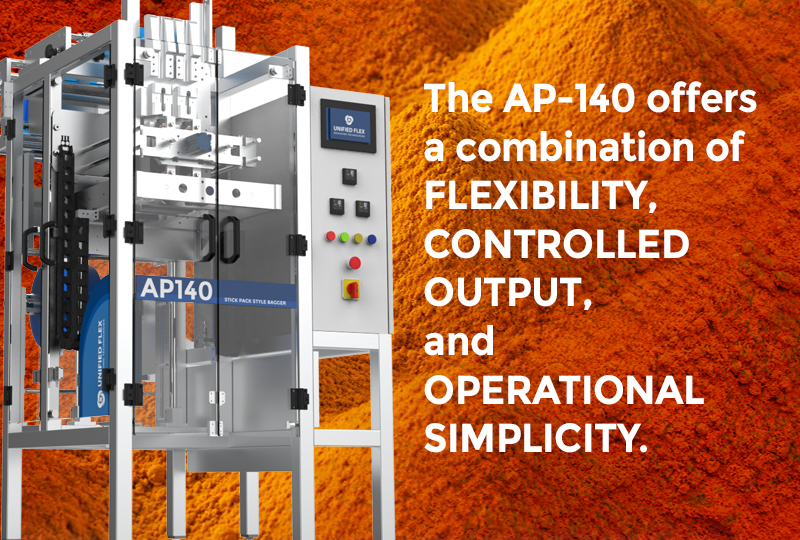
Choosing the right turmeric packaging machine is critical for consistent production. This blog explores the challenges of turmeric packaging and how the AP-140 offers a practical, reliable solution for pouch packaging.
Struggling with Turmeric Packaging? Here’s Why Stick Packs Are Taking Over
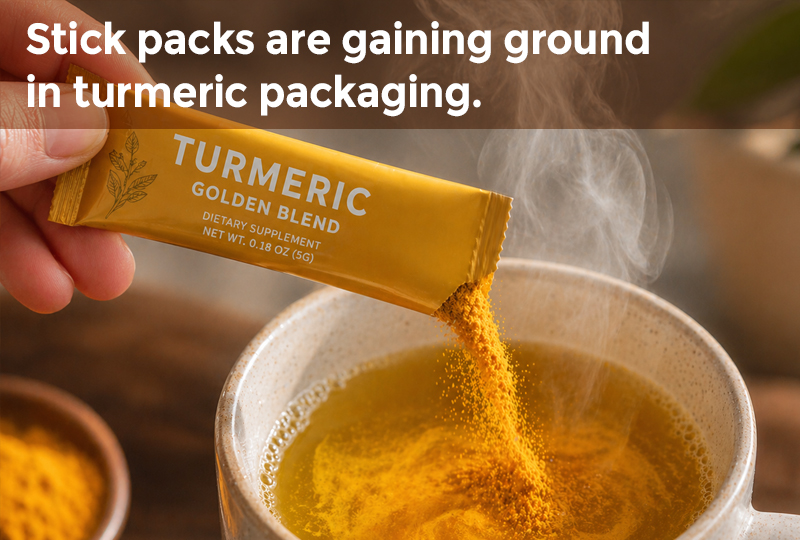
As turmeric demand grows, packaging is becoming a key differentiator. This blog explores the challenges of handling turmeric and why stick packs are emerging as a practical, scalable solution.