
Why More Brands Are Turning to Stick Packs for Ashwagandha Powder Packaging

Ashwagandha powder presents unique packaging challenges due to its fine, inconsistent nature. This blog explores how stick pack packaging addresses these issues by improving portion control, reducing waste, and supporting more consistent production, while also highlighting what it takes to make that format work effectively in real-world applications.
Choosing the Right Powder Packaging Machine for Ashwagandha: What Matters Most
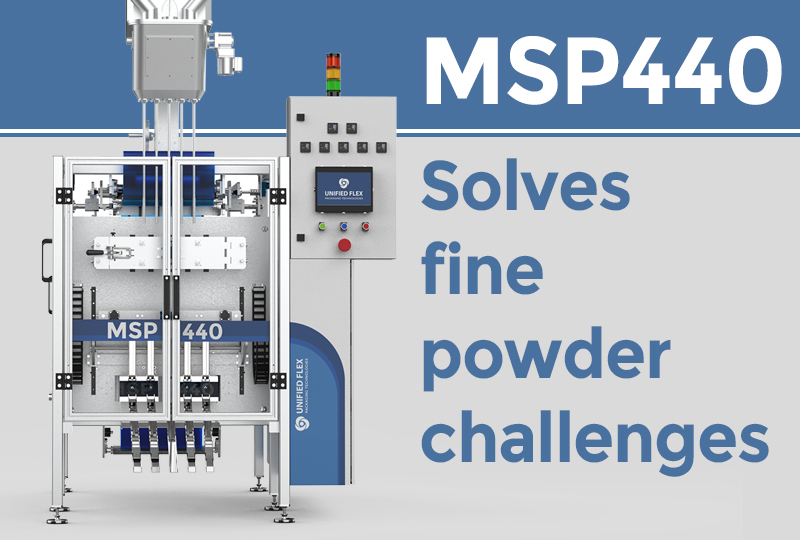
Ashwagandha powder can be difficult to package due to its variability, dust, and sensitivity to handling. This blog explains how choosing the right powder packaging machine helps improve fill consistency, reduce waste, maintain seal integrity, and support stable, repeatable production over time.
Ashwagandha Powder Packaging: How the Right Film Improves Stability Without Complicating Your Process
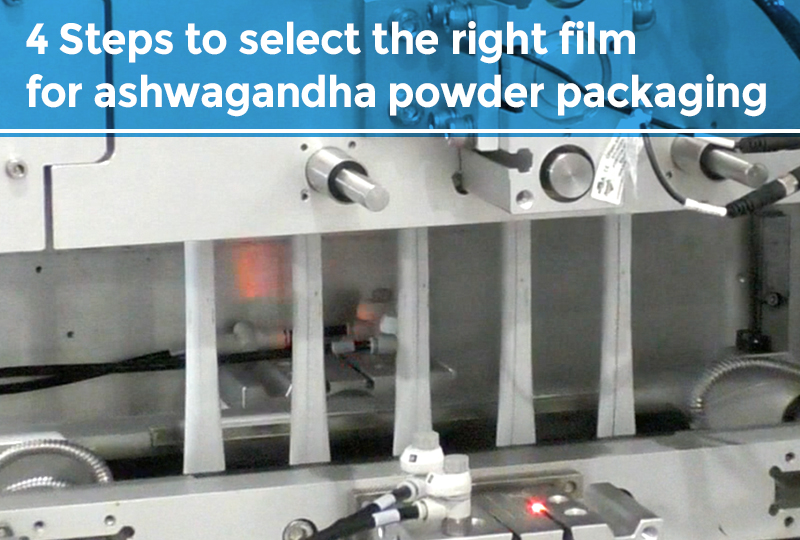
Ashwagandha powder packaging requires more than just the right structure on paper. This blog explores how film selection impacts process stability, highlighting key properties like sealing performance, COF, and thickness consistency, and how they influence real production outcomes.
Fit for Product: Why Product Categories Behavior Must Shape Packaging Requirements

Packaging requirements are the hidden decision that determines whether a package succeeds or quietly fails. This article explains how real product behavior, not branding instincts, should shape structure, sealing, and long-term performance.
THE ECONOMICS OF PACKAGING FAILURE

Packaging failures rarely explode; they erode. This article exposes how seal issues, leaks, and inconsistent execution quietly drain margins, strain retailer relationships, and turn packaging into a hidden profit liability.
How Plant Engineers Should Qualify VFFS Packaging Film Before Approving It for Production
Approving packaging film for a VFFS line takes more than matching a specification sheet. This article explains how plant engineers can evaluate film runnability, validate performance at production speed, and reduce film-related troubleshooting before full-scale production begins.
Why Your First Flexible Packaging Trial Isn’t Real Validation
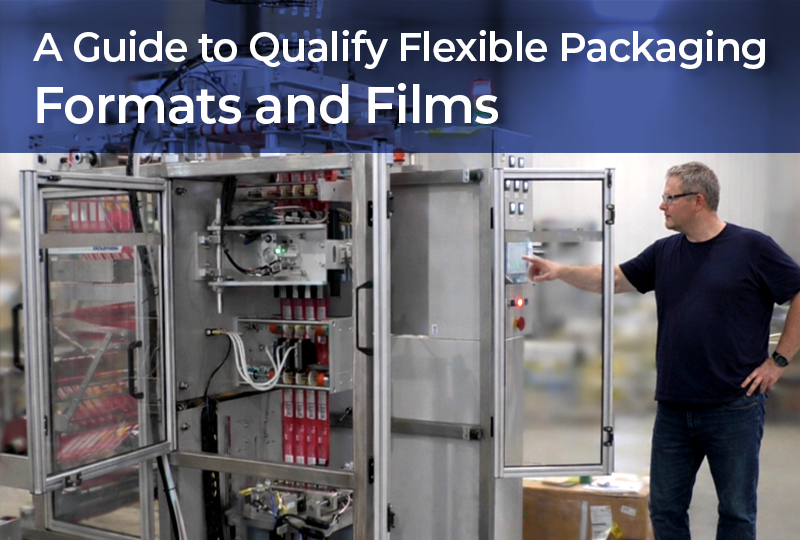
A technical, decision-focused blog for packaging engineers on moving from a “successful first run” to a scalable, flexible packaging format and film, using early validation of sealing margin, cutoff/contamination behavior, web stability across roll changes, and quick lifecycle stress screens.
Engineering the Right Flexible Packaging Format: A Practical Feasibility Guide to Sachets, Stick Packs, Pillow Bags, and Gusseted Pouches

A decision-focused guide for packaging engineers comparing sachets, stick packs, pillow bags, and gusseted pouches through feasibility, not preference, covering what to validate early, how materials and sealing interact, and how to reduce late-stage redesign risk in flexible packaging.
Packaging as a Growth Lever: How Flexible Packaging Solutions Unlock New Channels, Reach New Audiences, and Enable New Use Cases
This blog explores how packaging format has become a strategic growth lever for modern brands. It shows how flexible packaging solutions shape channel access, audience reach, operational efficiency, and long-term commercial performance. A must-read for brand owners, CFOs, and leaders navigating today’s evolving packaging landscape.
The New Rules of Brand Differentiation: Why Packaging Form Matters More Than Packaging Graphics

A strategic guide for marketers on why packaging form, not just graphics, is becoming the new frontier of brand differentiation. Learn how structures like sachets, stick packs, stand-up pouches, and pillow bags influence perception, shelf impact, and long-term brand loyalty.