
Packaging and Consumer Behavior: What Happens Beyond the Purchase Decision
Packaging influences more than purchasing decisions. This blog examines how consumers interpret and interact with flexible packaging, what post-purchase research can reveal, and how marketers can use behavioral insights to improve packaging communication and product experiences.
The Importance of Packaging: Why Better Packaging Doesn’t Fix Growth (If It’s Built for the Wrong Behavior)

Better packaging does not automatically lead to stronger sales growth. This blog explores how packaging formats influence everyday product usage, where convenience and consumption habits matter, and how brand owners can evaluate packaging decisions against real consumer behavior and commercial objectives.
When Packaging Works, Retail Works: A Practical Look at Retail Packaging Performance
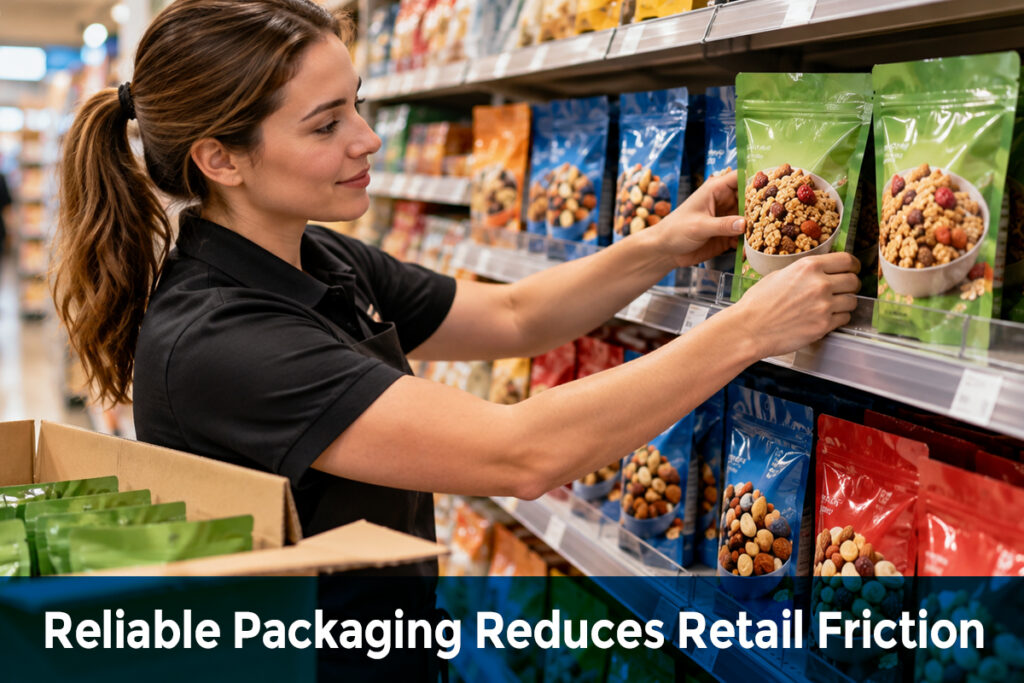
Retail packaging performance goes beyond appearance. This blog looks at how packaging behaves across distribution, stocking, display, store handling, and consumer use, and the practical signals retailers can use to evaluate consistency.
Packaging Line Efficiency: When Stable Settings Hide Process Drift

This technical blog examines how packaging engineers can identify declining line performance even when machine parameters remain within established ranges. It explores operating-window changes, transient response, setpoint migration, coupled process variables, and production baselines that can reveal deterioration before it develops into a major failure.
VFFS Film Waste: Where Packaging Film Is Lost During Production
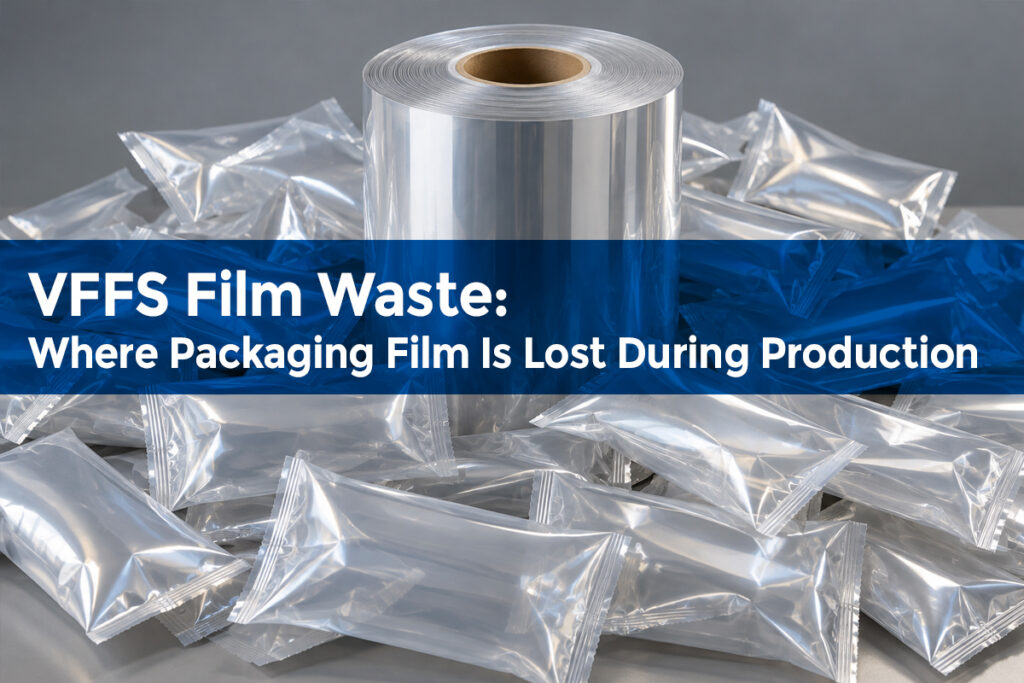
Packaging film waste extends beyond rejected packages. This blog explains how plant and maintenance engineers can measure film consumption, identify losses during different production stages, and establish reliable baselines to improve film utilization and reduce unnecessary waste.
From Product Protection to Production: Selecting Packaging Film for Magnesium Stick Packs
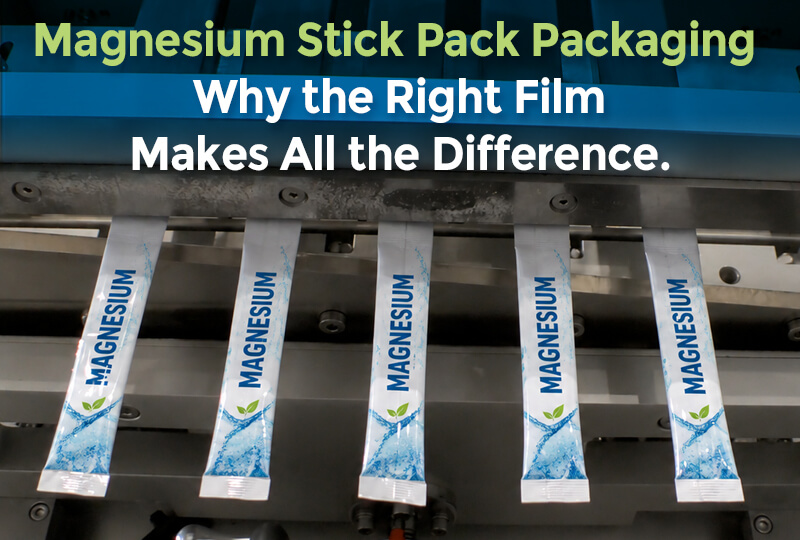
Magnesium stick pack packaging requires film that protects the formulation while performing consistently on the packaging line. This blog examines how film structure, sealing characteristics, web handling, and commercial validation influence production performance.
Choosing a Magnesium Stick Pack Machine for Drink Mix Production
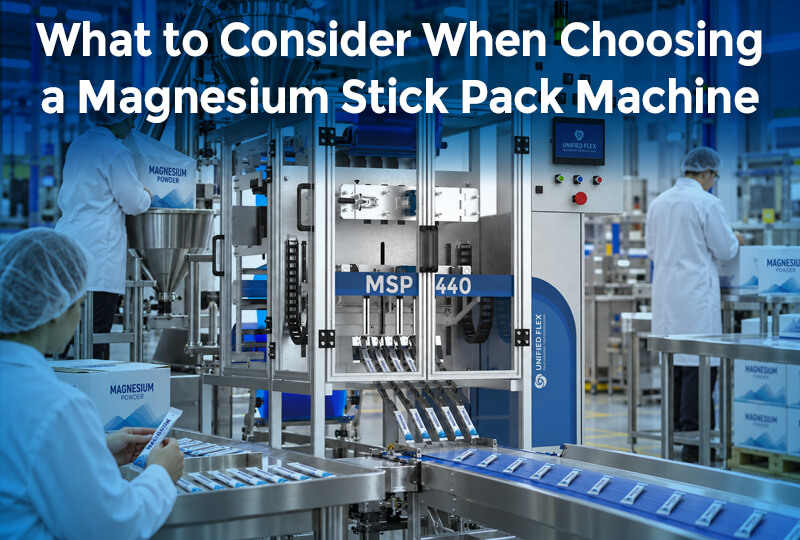
Selecting a magnesium stick pack machine involves more than comparing speeds and lane counts. This blog examines how powder behavior, dosing, film control, sealing and required output shape the equipment configuration for magnesium drink mix production.
Magnesium Stick Packs: From Drink Mix Formulation to Packaging Production

Powdered magnesium is gaining momentum, creating new possibilities for single-serving drink mixes. But is a stick pack the right fit? Here’s what manufacturers should consider before taking a magnesium drink mix from formulation to production.
The Future of Gel Pack Packaging Isn’t About Capacity. It’s About Risk.
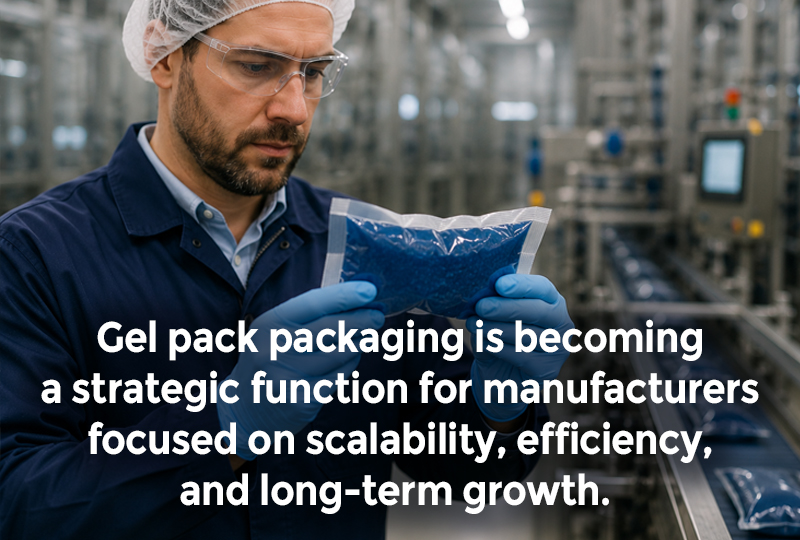
For years, success in gel pack packaging was often measured by output. But as customer expectations evolve, the industry’s competitive advantage is shifting. This article explores why the manufacturers best positioned for long-term success may not be those with the most capacity, but those that create the least risk for their customers through operational discipline, scalability, and process maturity.
The Hidden Growth Challenge in Gel Pack Packaging

Growth can increase production, but it can also bring new packaging requirements, tighter schedules, and greater operational complexity. This blog explores why gel pack packaging can become a constraint as manufacturers scale, and why planning for packaging early matters.