
The Psychology Behind Shelf Appeal and Packaging Format

Retail shelf space isn’t just about product quality; it’s about visibility. This article explores the psychology behind shelf appeal and how packaging format influences what shoppers notice first. Using insights from eye-tracking research and retail buying behavior, we break down why sachets, stick packs, stand-up pouches, and pillow bags attract attention, shape perception, and ultimately determine which products earn their place on the shelf.
Flexible Packaging Formats: How Opening, Resealing, and Convenience Shape Retail Success

Great packaging does more than look attractive on the shelf, it has to perform. This article explores how flexible packaging formats such as sachets, stick packs, stand-up pouches, and pillow bags enhance the consumer experience through easy opening, reliable resealing, and everyday convenience. By focusing on packaging functionality, brands can improve customer satisfaction, reduce product complaints, and create stronger retail performance.
Matcha Packaging Formats: How to Protect Product Integrity Across Every Use
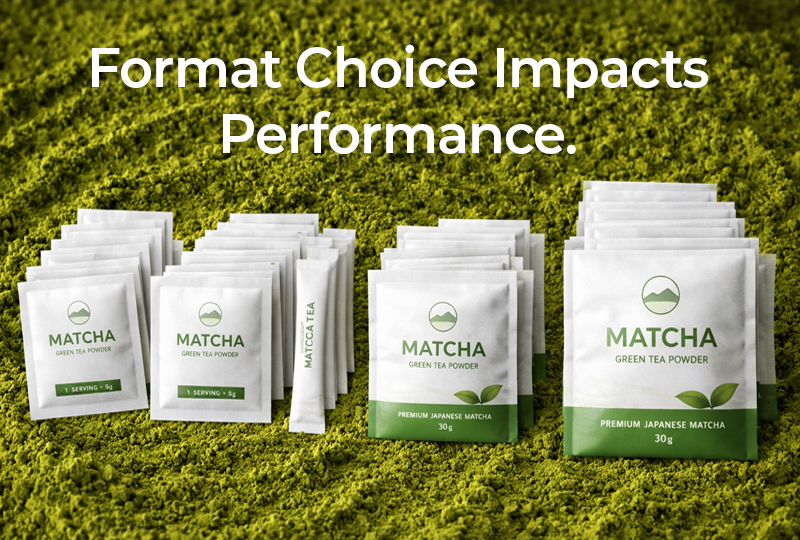
Matcha is highly sensitive to oxygen, moisture, and light, making packaging format a critical factor in maintaining product quality. This blog explores how different formats, single-serve, multi-use sachets, and bulk packaging, manage exposure over time, and how those differences affect consistency across the product lifecycle.
Tea Powder Packaging Machines for Matcha: Maintaining Repeatability in Controlled Production
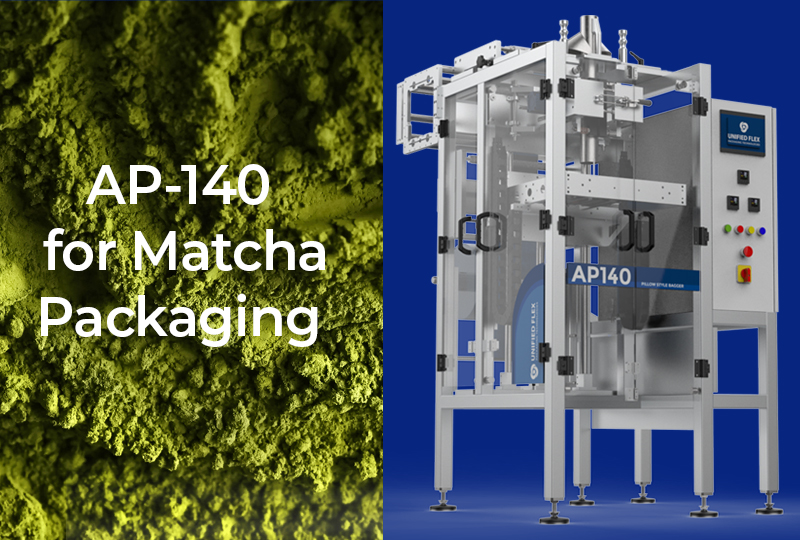
Matcha packaging doesn’t fail at startup, it becomes inconsistent over time. This blog breaks down where variability appears, why repeatability becomes the real constraint, and how tea powder packaging machines are evaluated in controlled production environments.
Matcha Tea Packaging: Choosing Film That Maintains Stability Without Creating Fragile Processes
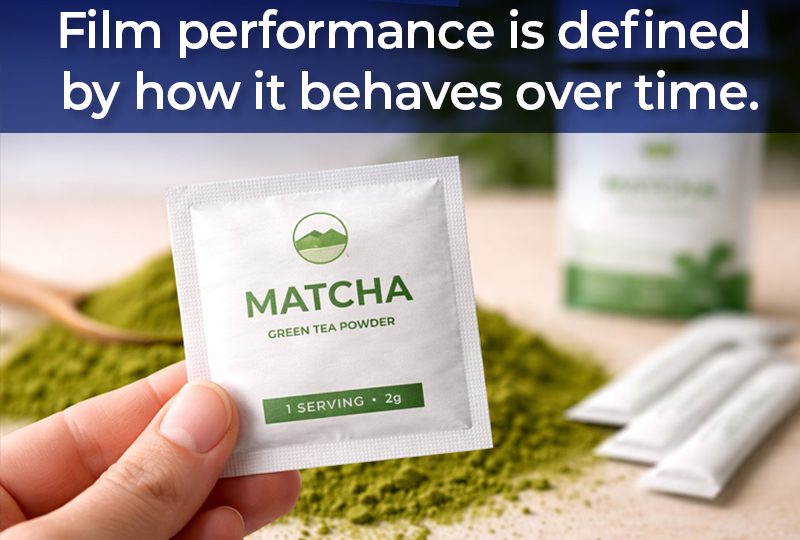
Film selection in matcha tea packaging directly impacts process stability. This blog breaks down how material behavior, sealing tolerance, and variability affect consistent production.
Your Brand Is Not Your Brand. Your Packaging Format Is.

Brand identity isn’t just about visuals, it’s about structure. This blog explores how packaging format influences consumer memory, shapes perception, and becomes a powerful tool for long-term brand recognition.
Inside a VFFS Machine: The Film Path Every Plant Engineer Should Understand

This article breaks down the film path inside a VFFS machine and explains how each stage affects package quality. It helps plant engineers and maintenance teams understand where defects often begin, how film behavior changes through the machine, and why upstream issues are often the real cause of downstream sealing problems.
Keeping the Crunch: Why Pillow Bags and Side-Gusset Bags Work for Nuts Packaging
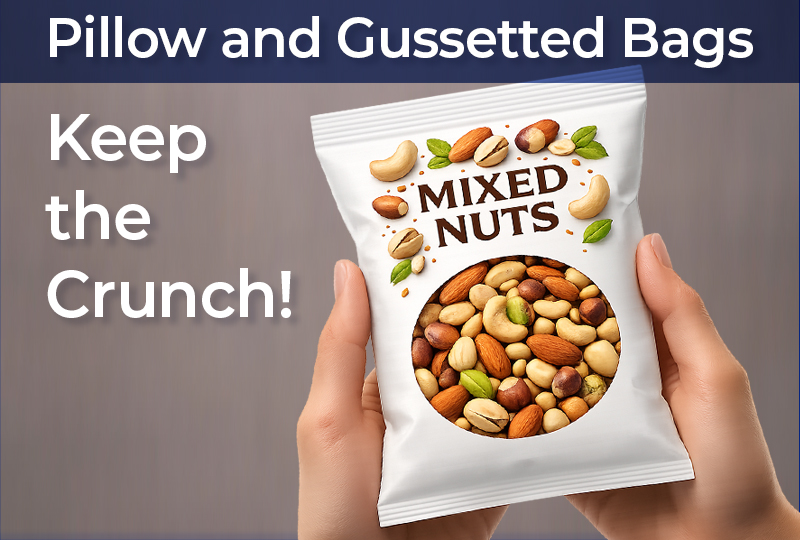
Nuts packaging must protect product freshness while maintaining structural stability during stacking and distribution. This article explains how pillow bags and side-gusset bags perform in nut and dry fruit packaging and when each format offers the best balance of efficiency and protection.
Nuts Packaging Machine: Designing Stable Packaging Lines for Almonds, Cashews, and Trail Mix Production
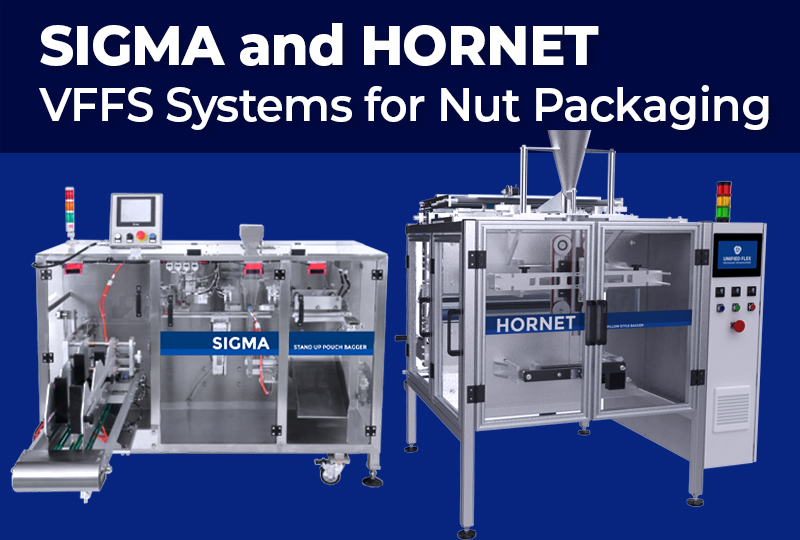
Nuts packaging machines must maintain pouch geometry, seal integrity, and repeatable operation across long production runs. This article explains how packaging systems handle almonds, cashews, pistachios, and trail mix while maintaining stable performance and consistent pouch quality.
Customized Nut Packaging Film: Choosing Film That Cuts Waste Without Making the Line Fragile
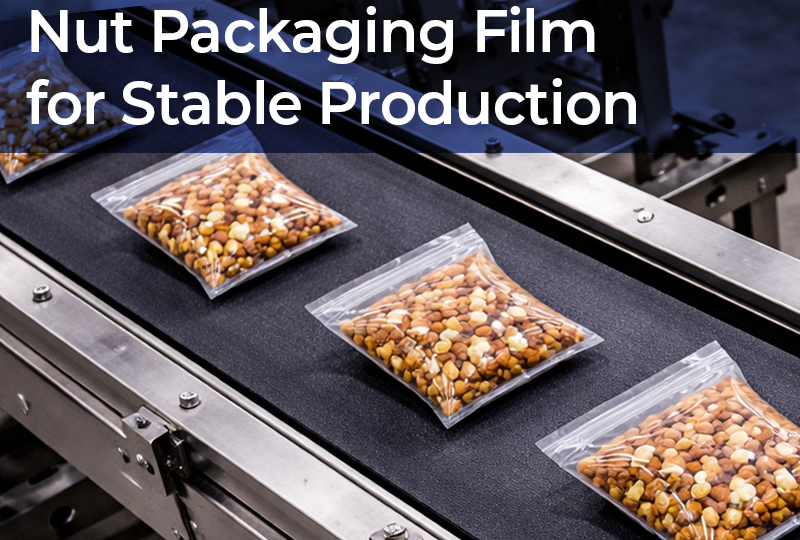
Nut packaging film programs succeed when they reduce waste without making production less stable. This article explains how film structure, barrier performance, sealing behavior, and print control influence shelf life and line performance for nuts and dry fruit applications.