
Multilane Stick Pack Machines for Magnesium Hydroxide: Keeping Dosing and Sealing Stable at Scale

Magnesium hydroxide packaging can become harder to stabilize as production volumes increase. This article explains how multilane stick pack machines help maintain consistent dosing, reliable seals, and stable film handling in high-volume powder packaging.
Magnesium Hydroxide Stick Pack Packaging: Choosing Film That Cuts Waste Without Making the Line Fragile

Magnesium hydroxide stick pack packaging only works when film performance holds up in real production. This blog explains how to choose film structures that run predictably on stick pack lines by controlling the variables that drive stability—COF, thickness consistency, and sealing performance under defined conditions, so waste reduction doesn’t come at the cost of fragile runs.
Magnesium Hydroxide Powder Packaging: Why Stick Pack Format Reduces Risk in Unit-Dose OTC Production

Magnesium hydroxide powder doesn’t fail a line loudly; it fails it slowly: drifting weights, dusty seals, and more intervention per shift. This article breaks down why format matters and how stick packs can make unit-dose laxative and antacid production more controllable.
Brand Experience Engineering: Why Marketers Should Work Backwards From the Packaging Format They Want
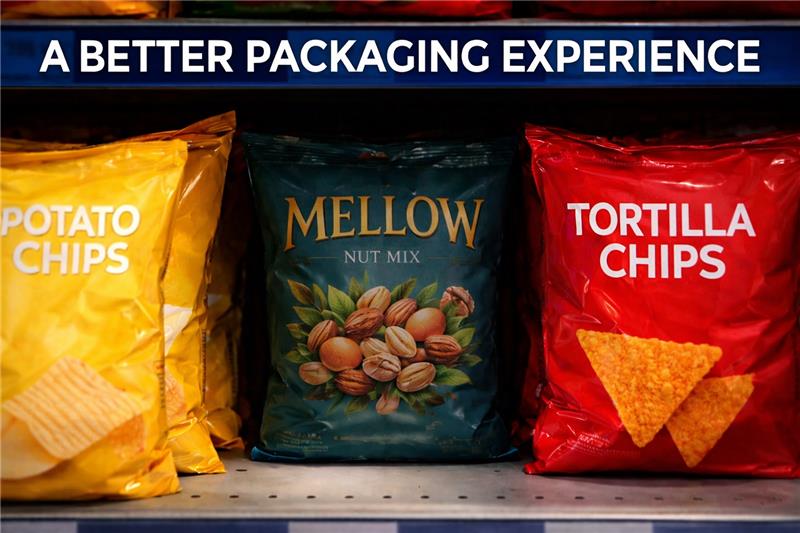
Packaging format shapes brand perception long before design or messaging ever gets noticed. This article explores why marketers should reverse-engineer their brand experience from structure first and how choosing the right packaging format drives consistency across retail, e-commerce, and real-world use.
When Packaging and Product Are Out of Sync: Diagnosing Packaging Defects Caused by Settling, Compression, and Flow

Packaging defects don’t always start on the line. Many emerge after sealing, as products settle, compress, or shift during handling and distribution. This article explores why packaging problems are often misdiagnosed, how post-fill behavior creates hidden variability, and what QA and operations teams can learn by reading these signals early. The goal isn’t blame, it’s predictability, stability, and better margin control.
The Cost of Bad Packaging Fit: How Small Packaging Failures Erode Millions in Margin
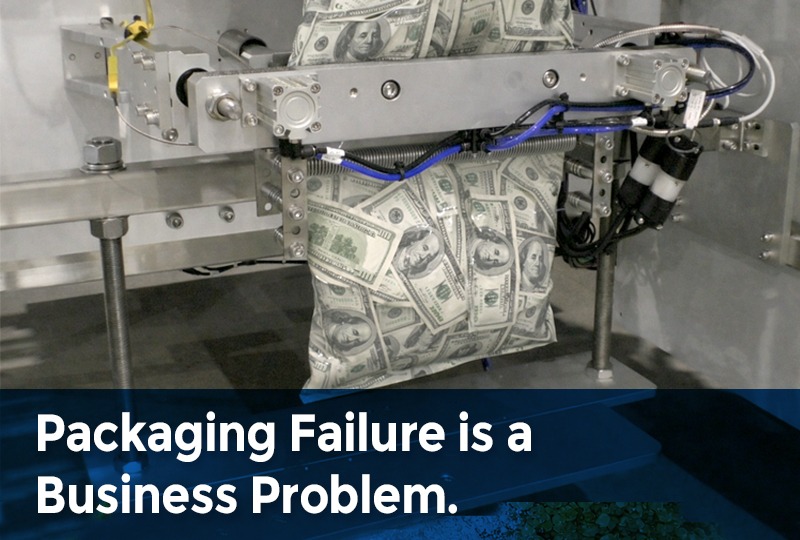
Packaging failure rarely appears as a single catastrophic event. Instead, it shows up as small functional breakdowns, seal drift, structural instability, and distribution damage that quietly inflate costs and erode margins. This article explores how poor packaging fit creates hidden financial drag across production, supply chain, retail, and consumer use, and what it takes to engineer packaging that performs reliably in the real world.
Choosing VFFS Packaging Film That Runs Stable: A Plant-Ready Guide to Film Format, Runnability, and Qualification

A practical, plant-focused guide to selecting and qualifying VFFS packaging film. Covers film format, runnability factors like COF and winding quality, and how to validate performance at production conditions to reduce scrap and downtime.
Packaging Film on VFFS Lines: A Practical, Plant-Safe Guide to VFFS Troubleshooting
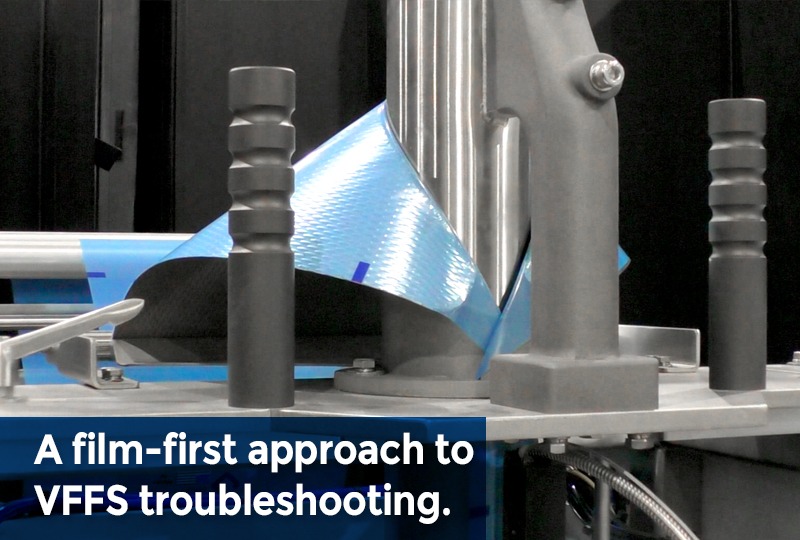
A plant-safe, film-first guide to VFFS troubleshooting. Explains how packaging film behavior affects sealing, tracking, and uptime, and outlines a practical workflow for diagnosing film-related issues without guesswork or risky adjustments.
When Seal Integrity Drifts: Keeping Flexible Packaging Seals Stable Across Restarts, Roll Changes, and Speed

Seal integrity problems don’t usually show up during the first clean run; they show up after the first restart, the first roll change, or the first speed ramp. This article walks through a practical way to keep seals stable in flexible packaging by working inside a real seal window, using defect signatures to aim troubleshooting, and building a control plan that holds up across shifts. You’ll also see how Unified Flex supports consistency on the rollstock side with COF, thickness, heat-seal, and tensile testing, plus print inspection, so you can spend less time chasing drift and more time running product.
Flexible Packaging Film: How to Approve Changes Without Creating New Problems

Film changes don’t usually fail loudly; they show up later as leaks, tracking drift, and longer recoveries. This blog explains how to manage flexible packaging film changes using a simple, risk-based re-check process that protects line performance without slowing production.