When packaging is designed around the product, rather than forcing the product into a standard format, the entire system performs differently.
Product-driven packaging reduces variability by accounting for factors like flow, density, and fragility. This leads to more consistent fills, stronger seals, and fewer disruptions. As variability drops, so does waste, less overfilling, fewer defects, and reduced material and product loss.
At the same time, throughput improves. Stable systems run faster with fewer stops, less operator intervention, and more consistent output. What was once reactive becomes a smooth, continuous process.
This alignment also supports scalability. Systems built around product behavior are more robust and repeatable, making it easier to increase production without adding complexity.
Ultimately, these case studies show that packaging isn’t just a container, it’s a performance driver when engineered as part of the system.
Gel Pack Packaging Under Pressure: How ThermoGard Improved Speed, Efficiency, and Sustainability
As demand for gel packs continued to grow, ThermoGard needed a faster, more efficient packaging process. With the VertoBagger Falcon, they reduced waste, improved throughput, and streamlined production without compromising product integrity.
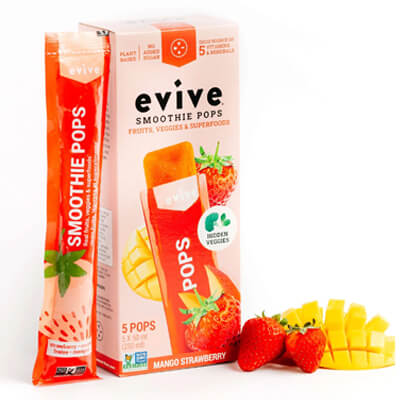
From Bottlenecks to Breakthrough: How Evive Scaled Smoothie Packaging with the AP-180
Rising demand created packaging bottlenecks that affected Evive’s output and consistency. See how the AP-180 improved fill accuracy, reduced downtime, and increased production while helping the smoothie brand maintain product quality.
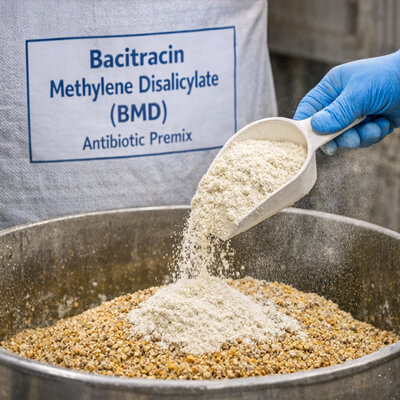
From Inconsistent Fills to Process Stability: Phibro’s Medicated Feed Packaging Story
Packaging pharmaceutical-grade feed additives comes with challenges like inconsistent fills, dust generation, and seal integrity issues. See how Phibro stabilized its medicated feed packaging process with a more controlled and reliable solution.
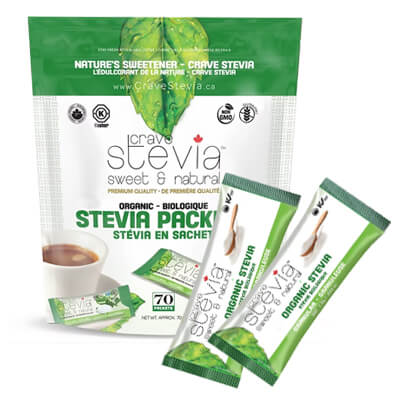
Stevia is particularly challenging to package. Its fine, airborne particles can lead to product loss, inconsistent fills, and production constraints. BVS needed a packaging process that could provide greater control, consistency, and efficiency. Here’s how they achieved it.