
Brand Experience Engineering: Why Marketers Should Work Backwards From the Packaging Format They Want
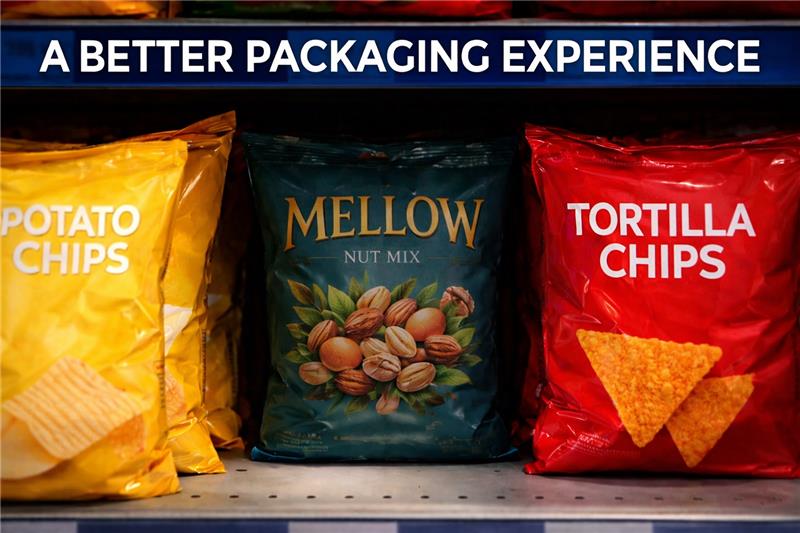
Marketers love to start with the brand world, the moodboard, the palette, the voice, the perfectly orchestrated Instagram grid. But the moment your product enters the real world, all that brand magic meets a much less romantic reality: gravity, friction, distribution, thumbnails, bad lighting, and shoppers who make decisions faster than the human brain can articulate them.
This is often ignored. But here’s the truth: more brand teams are finally admitting:
Your packaging format is the brand experience long before your storytelling is.
If the structure collapses, curls, fades, slumps, or looks completely different on a Walmart shelf than it does in the unboxing video you approved, the consumer assumes the brand itself is inconsistent. Not the film. Not the supply chain. The brand.
And in an era where Gen Z, Millennials, and even Gen Alpha shop with the reflexes of seasoned UX designers, you’re not just building packaging. You’re engineering an experience.
That’s why the smartest marketers are starting their packaging decisions backward, from the format they want the consumer to feel, not the artwork they want them to see.
*This article is general information for packaging professionals and should be applied in line with your product requirements, internal quality procedures, and any applicable regulatory expectations.
Table of Contents
Why Packaging Format Is the First Story Your Brand Tells
If you spend your days thinking about brand perception, you already know this: consumers don’t meet your packaging the way we present it in decks. They meet it in motion, in a scroll, on a shelf, in someone’s kitchen, and the first thing they register isn’t your logo or your claim. It’s the shape.
Packaging format is the quiet storyteller.
It signals category, intent, and quality before any copy gets a chance.
And with younger consumers moving at digital speed, that first impression is faster than ever. Research shows packaging gets about 1–2 seconds to land in a mobile feed (CareerArc), which means structure does a lot of the work before design even enters the conversation.
Not because design isn’t important, it absolutely is, but because packaging format is the piece their brain processes first. It’s the quick read. The context setter. The “what am I looking at?” moment that everything else builds on.
So, when we talk about packaging format, we’re not talking about a technical checkbox.
We’re talking about the opening line of the brand story, the part consumers feel instantly, even if they’ve never seen your product before.
And in a world shaped by Gen Z, Millennials, and the rising Gen Alpha, that instant impression has never mattered more.
The Omnichannel Reality: Your Packaging Format Has to Perform Everywhere Consumers Are
The days when packaging lived in one predictable channel are over. Today, your “shelf” is a mix of Amazon thumbnails, TikTok hauls, Instagram stories, retail aisles, DTC unboxings, and all the places your product actually ends up, from gym bags to pantry shelves to the backseat of a car. Consumers encounter brands across a dozen touchpoints, and the expectations don’t change from one environment to the next.
That’s why the packaging format matters more than ever. It isn’t just a container, it’s a performance that has to hold up under every kind of lighting, angle, and real-world use. Something that looks flawless in a mockup can behave very differently under fluorescent retail lighting or after a few hours in transit. And consumers read that behavior instantly.
Here are common real-world issues that hurt perception:
- A slight slump in-store becomes a signal of inconsistency.
- A curl on camera becomes a TikTok talking point.
- A collapsed pack in an Amazon delivery becomes a quality concern.
Not because the packaging is “bad,” but because omnichannel environments amplify every detail.
Consumers don’t separate the conditions from the brand; they simply interpret what they see. And when the scroll, the shelf, and the unfiltered UGC review sit inches apart on a phone screen, the packaging format becomes one of the most visible and public parts of the brand experience.
In this reality, it’s not about perfection.
It’s about predictability, packaging that behaves as well as it looks, no matter where it shows up.
Digital Behavior Has Rewired How Consumers Judge Packaging
Social platforms have completely reshaped how people interpret packaging, and it’s changed what we all design for. Gen Z often meets a brand through UGC first, and those unfiltered clips highlight how a packaging format behaves in real life, not just how it looked during the photoshoot.
A softer seal sound, a slight slump, a small color shift, these little moments become part of the story because digital behavior makes them visible.
Meanwhile, Amazon has trained shoppers to make fast decisions from a single thumbnail. If a packaging format looks sturdy, practical, or easy to store, it earns trust quickly. If it doesn’t, consumers simply keep scrolling.
The takeaway: the packaging format has to hold up in every context now, on a shelf, in a feed, and in the hands of someone recording a review. It’s the new beginning of the customer journey, and it sets the tone long before a shopper reaches the aisle.
The Shelf Is the Final Exam
The scroll creates interest, but the shelf decides the sale. It’s the moment when your packaging format has to hold its shape, its visibility, and its credibility without the safety net of controlled lighting or perfect framing. Research from IHL Group and Brain Corp shows that 67% of major U.S. retailers struggle with daily or weekly shelf execution issues, from inaccurate facings to broken planograms, problems that directly erode brand trust and suppress sales.
And it doesn’t take much to signal trouble.
Common shelf problems that hurt brands include:
- A pouch tilting forward reads like low stock.
- A bag losing tension reads like low quality.
- A sachet panel drifting off-grid reads like low care.
Shoppers won’t articulate the flaw, but they’ll feel it. And once something looks off on the shelf, loyalty tends to go with it.
The shelf is simple: Show up strong, or get passed over.
Start With Packaging Format, Then Build the Brand Around It
The strongest marketing teams don’t “choose” a packaging format; they reverse-engineer it. They start with the customer experience they want to create, then let the structure follow that intent.
Examples of goals and matching formats:
- If the goal is modernity and ease, they choose a packaging format that feels effortless in someone’s hand and intuitive in their routine.
- If the goal is trial, portability, or portion control, they choose a format built for those behaviors.
- If the goal is order, precision, or single-serve clarity, they focus on a format that naturally supports it.
- If the goal is impact in club or value channels, they build around a format that commands space.
None of this is about aesthetics. It’s about behavior.
The wrong packaging format creates friction that no amount of design can fix.
When teams start with structure and build the brand expression around it, everything aligns, from the way it photographs to the way it stands on a shelf to the way it’s handled at home. That’s when the packaging starts feeling intentional instead of decorative.
Why Consistency Is the New Luxury Cue
Premium used to mean metallic inks, embossing, and a perfect unboxing moment. Today, it means something far quieter: the product looks and behaves the same wherever shoppers encounter it.
Younger consumers, especially Gen Z, move fluidly between TikTok, Amazon, and physical retail, and they assume the brand will move just as smoothly. They aren’t looking for perfection; they’re looking for alignment. When the packaging format holds its shape online, in-store, and after real use, it signals that the brand is in control of its experience.
When it doesn’t, the entire perception shifts.
Consistency has become the new shorthand for quality, not because consumers analyze it, but because they intuitively trust brands that feel stable across touchpoints. And that trust forms long before they read a claim or scroll a PDP (product detail page).
That’s the real value of choosing the right packaging format:
it keeps the brand feeling intentional everywhere it shows up, without needing to announce it.
Turning Format Decisions Into Reliable Brand Moments
Every brand has an idea of the experience it wants its packaging to create. Unified Flex collaborates with teams early to help explore which packaging format will support that vision most consistently across production, retail, e-commerce, and everyday use. We contribute material insight where it’s helpful, how different structures behave once they’re filled, sealed, shipped, stocked, or shared in UGC, so decisions are grounded in how the package will perform in the real world. From there, we produce the rollstock that aligns with those choices, using reliable resins, stable film structures, tight color management, and thorough quality and safety testing to keep performance predictable. We can’t control every condition a package will encounter; no one can, but we can help ensure the material foundation is consistent. When the film behaves reliably, the packaging format has the best chance of showing up the way the brand intended, wherever consumers interact with it.
Conclusion: Packaging Format Shapes the Entire Brand Experience
Design gets attention, but the packaging format shapes everything consumers feel. It influences how the product shows up in UGC, how it photographs online, how it stands on the shelf, and how it fits into everyday routines. Format becomes the first impression and the quiet proof of quality long before anyone reads a word of copy.
When brands treat packaging format as a strategic choice, not an afterthought, the entire experience becomes clearer, more consistent, and far more competitive. In a world where your packaging lives everywhere the consumer does, the format isn’t just part of the experience.
It is the experience.