3 Side Seal Bag
Blogs

How Does the AP-180 Maintain Sterile Packaging at High Speeds?

Unified Flex AP-180 automatic pouch filling machine maintaining sterile integrity while packaging medical devices like syringes at high speed in a cleanroom environment
Sterile barrier failures hit hard in medical device lines — recalls, downtime, and patient risk follow. The AP-180 Auto Pouch Bagger from Unified Flex tackles this with rotatable horizontal seal jaws that maintain even pressure and dwell time across every cycle. Full form-fill-seal automation reduces manual handling and contamination points, while stainless steel contact parts simplify sanitation. Tool-less changeovers and stable PLC control keep seals consistent at up to 40 pouches per minute for syringes, diagnostic kits, IV components, and more. Built for repeatable sterile integrity, not just speed.

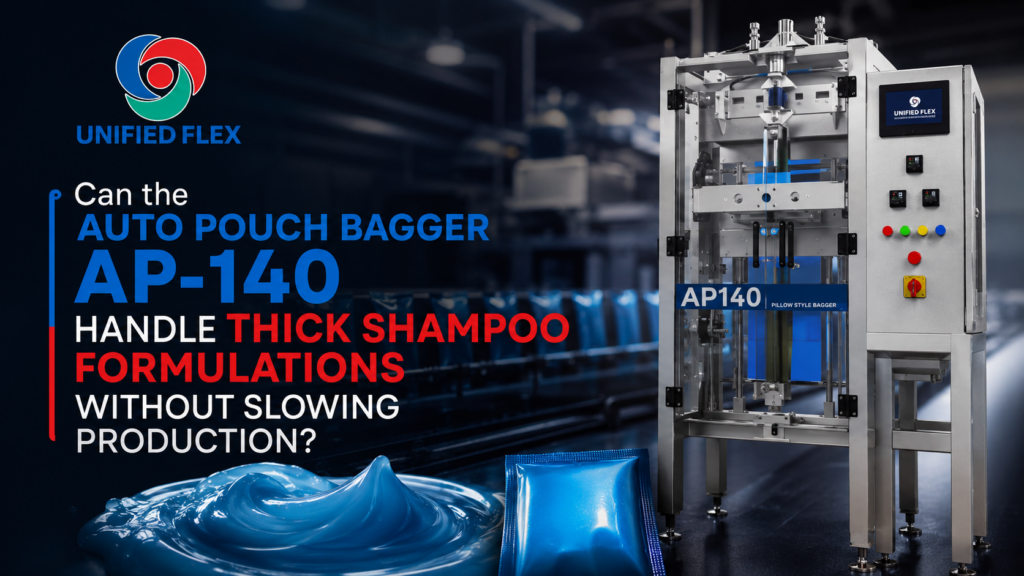
Can the AP-140 Manage Thick Shampoo Formulations Efficiently?

Auto Pouch Bagger AP-140 by Unified Flex packaging thick blue shampoo into pillow-style pouches on a high-speed production line
Thick shampoo got your packaging line stuck in slow motion? The Auto Pouch Bagger AP-140 from Unified Flex handles 3,000–15,000 cP viscosities at full speed. Its pneumatic horizontal seal jaws deliver clean, consistent seals while PLC synchronization keeps film advance, filling, and sealing in perfect rhythm — up to 40 sachets per minute. Rotatable jaws switch between 3-side and 4-side pouches fast. Stainless steel parts and tool-less changeovers slash downtime. Built in Canada with readily available USA components, this modular VFFS system pairs seamlessly with piston fillers for accurate dosing and reliable output on demanding conditioning and sulfate-free formulas.

How Growing Demand for Disposable ECG Electrodes Is Changing Packaging Priorities 

Medical electrodes sealed in a 3 side seal sachet package for sterile medical device packaging applications.
As the market for disposable ECG electrodes continues to expand, manufacturers are rethinking how packaging supports product quality, traceability, and distribution efficiency. This article explores the evolving role of packaging in medical electrode applications and examines why 3-side seal sachets remain a widely used format for balancing protection, information display, and operational practicality.

How Pharmaceutical Packaging Machines Maintain Dosage Accuracy and Consistency

Pharmaceutical packaging machine AP180 with holographic dosage precision graphics showing ±0.5% accuracy and 100% consistency, surrounded by nutraceutical products.
Pharmaceutical packaging machines maintain dosage accuracy and seal consistency in nutraceutical production. The MSP 440 multilane stick pack system solves Ashwagandha powder challenges, cutting fill variance to ±1.8%, stabilizing seals, and reducing changeover times.

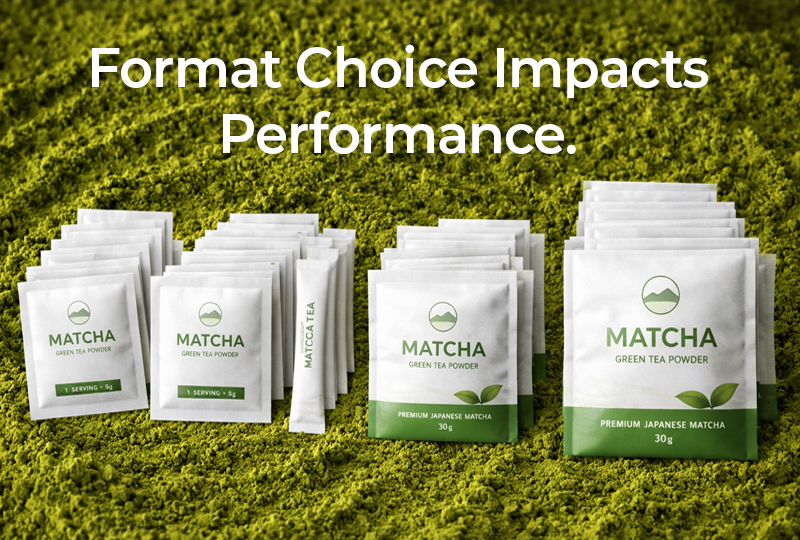
Matcha Packaging Formats: How to Protect Product Integrity Across Every Use 

Different matcha packaging formats including sachets, stick packs, and pouches displayed on matcha powder
Matcha is highly sensitive to oxygen, moisture, and light, making packaging format a critical factor in maintaining product quality. This blog explores how different formats, single-serve, multi-use sachets, and bulk packaging, manage exposure over time, and how those differences affect consistency across the product lifecycle.


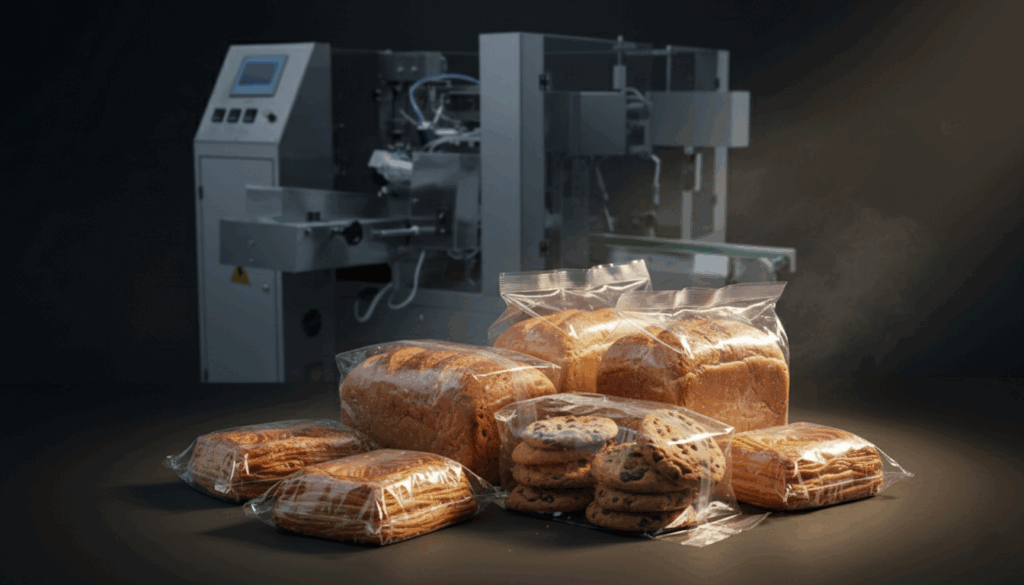
How Do Unified Flex Bakery Packaging Machines Protect Bread, Cookies, and Pastries?

Learn how Unified Flex bakery packaging machines keep bread, cookies, and pastries fresh, protected, and shelf-ready.
This blog defines how Unified Flex bakery packaging machines protect bread, cookies, and pastries by preventing staleness, breakage, and quality loss. It highlights key packaging solutions that extend shelf life and reduce waste. Read the full blog to learn more.

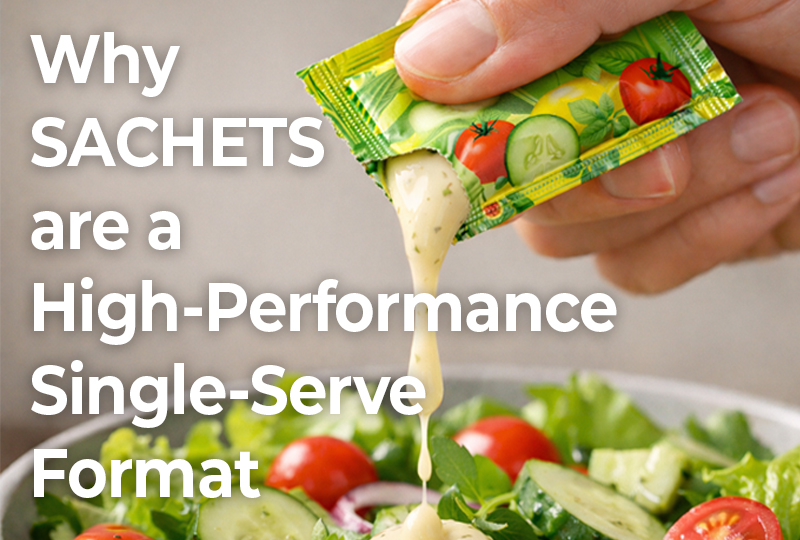
Sauces and Condiments Packaging: Why Sachets Are a High-Performance Single-Serve Format 

Single-serve sauce sachet being squeezed over a fresh salad
Sachets continue to play a critical role in sauces and condiments packaging because they’re designed for real-world use. This blog explores why the format works, what defines a well-designed sachet, and how brands can avoid common specification mistakes.

Sauces and Condiment Packaging Machine: The Real Reasons Sachet Lines Get Messy (and How to Keep Yours Boring, in a Good Way) 

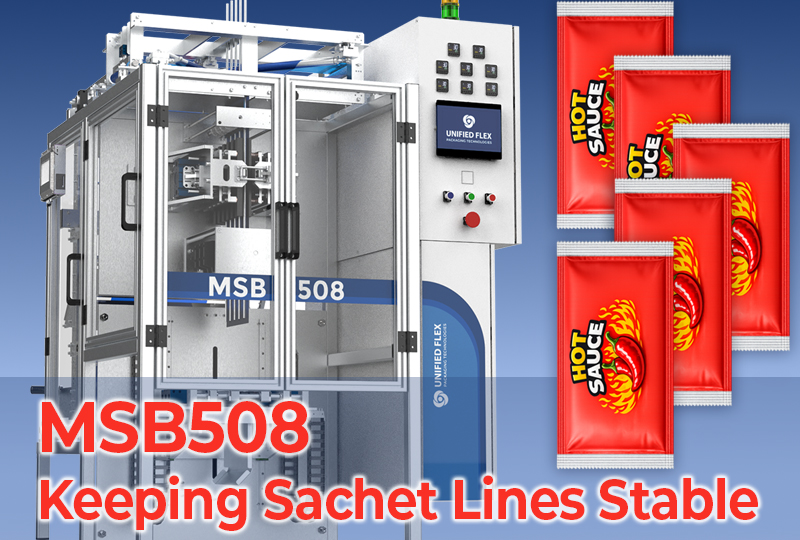
Condiment packaging machine MSB508 shown with finished sauce sachets for single-serve applications
In sauces and condiment sachet production, small variation becomes expensive fast. This blog outlines the most common stability failure points and what to look for in a sauces and condiment packaging machine designed for repeatable sealing and consistent throughput.

Sustainable Condiments and Sauce Packaging: Choosing Film That Cuts Waste Without Turning the Line Into a Science Project 

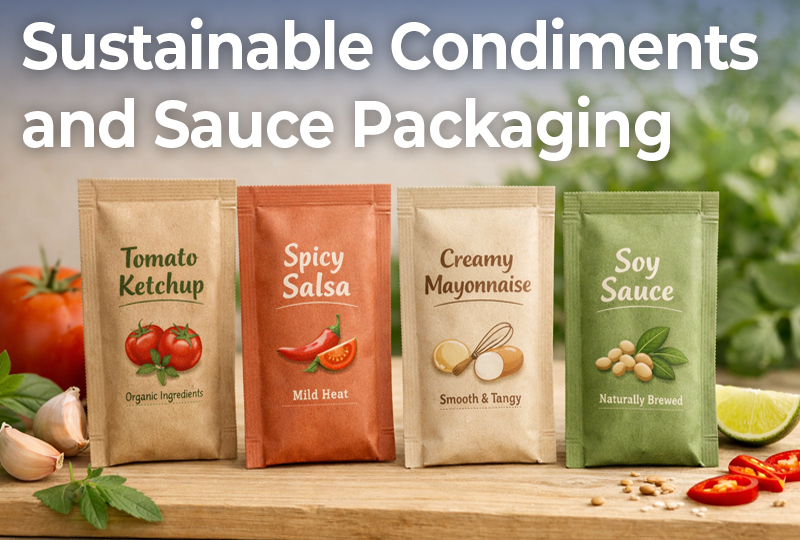
Sustainable sauce packaging shown through single-serve condiment sachets on a kitchen surface
Sustainable condiment and sauce packaging only works when film performance holds up in real production. This blog explains how to choose rollstock that runs consistently on VFFS equipment, reduces waste through controlled COF, thickness and sealing performance, and cuts preventable print scrap before film ever reaches the line.

Stick Pack Machines vs. Sachet Machines: Which Is Better for You?

A comparison scene showing a stick pack machine beside a sachet packaging machine with small product samples on a table in front of them.
Choosing between stick packs and sachets is not just a matter of shape, it affects speed, material use, and the way your product reaches customers. This blog breaks down how each machine works, what they handle best, and how they influence production flow so you can decide which setup fits your line with clarity and confidence.