Pillow Bag
Blogs

The Future of Gel Pack Packaging Isn’t About Capacity. It’s About Risk. 

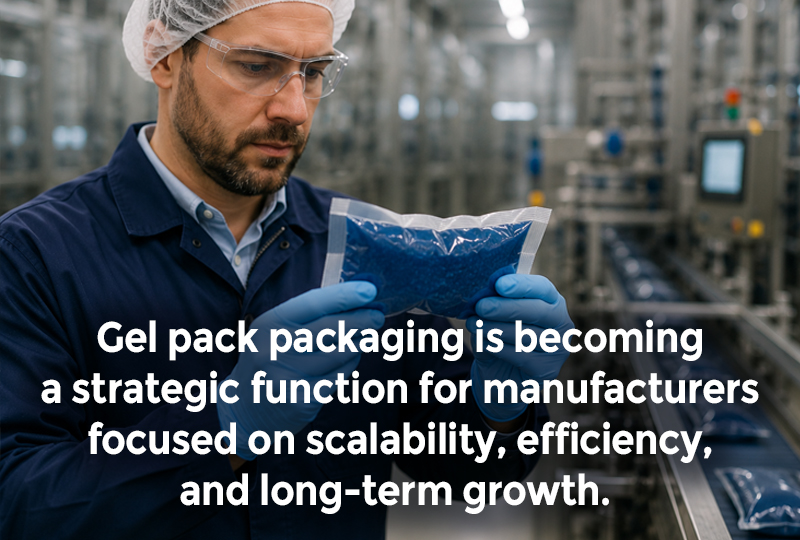
Gel pack packaging quality inspection in a manufacturing facility
For years, success in gel pack packaging was often measured by output. But as customer expectations evolve, the industry's competitive advantage is shifting. This article explores why the manufacturers best positioned for long-term success may not be those with the most capacity, but those that create the least risk for their customers through operational discipline, scalability, and process maturity.

Can the AP-180 Reduce Contamination Risks in Medical Device Packaging Lines?

AP-180 automatic pouch packaging machine by Unified Flex in a sterile medical device packaging facility, designed to reduce contamination risks with high-speed, enclosed operation.
Contamination risks in medical device packaging often result from process variability, inconsistent sealing, and manual handling. This guide explains how the AP-180 supports sterile barrier integrity through automated packaging, precise sealing, hygienic design, and repeatable production processes.

How Pharmaceutical Packaging Machines Maintain Dosage Accuracy and Consistency

Pharmaceutical packaging machine AP180 with holographic dosage precision graphics showing ±0.5% accuracy and 100% consistency, surrounded by nutraceutical products.
Pharmaceutical packaging machines maintain dosage accuracy and seal consistency in nutraceutical production. The MSP 440 multilane stick pack system solves Ashwagandha powder challenges, cutting fill variance to ±1.8%, stabilizing seals, and reducing changeover times.

Matcha Packaging Formats: How to Protect Product Integrity Across Every Use 

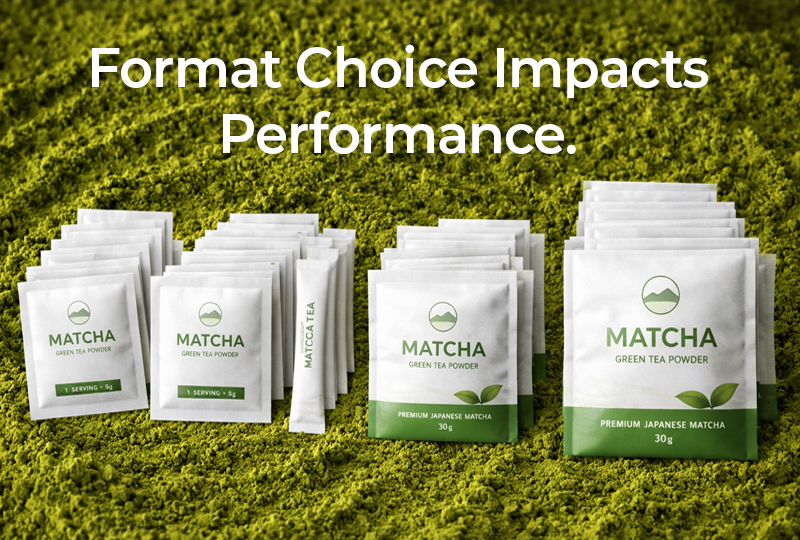
Different matcha packaging formats including sachets, stick packs, and pouches displayed on matcha powder
Matcha is highly sensitive to oxygen, moisture, and light, making packaging format a critical factor in maintaining product quality. This blog explores how different formats, single-serve, multi-use sachets, and bulk packaging, manage exposure over time, and how those differences affect consistency across the product lifecycle.

Keeping the Crunch: Why Pillow Bags and Side-Gusset Bags Work for Nuts Packaging 

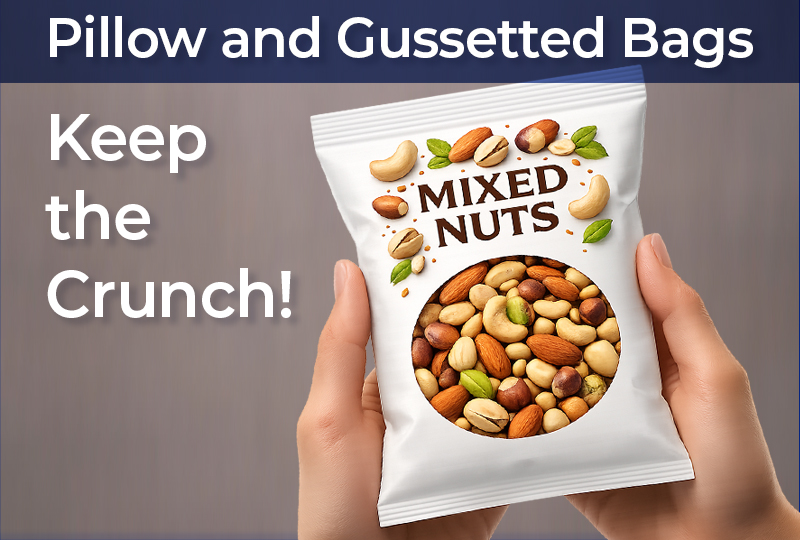
Hands holding a mixed nuts pouch showing nuts packaging in pillow and gusseted bag format
Nuts packaging must protect product freshness while maintaining structural stability during stacking and distribution. This article explains how pillow bags and side-gusset bags perform in nut and dry fruit packaging and when each format offers the best balance of efficiency and protection.

Curd & Shredded Cheese Packaging: Choosing the Right Bag Format for Distribution Performance 

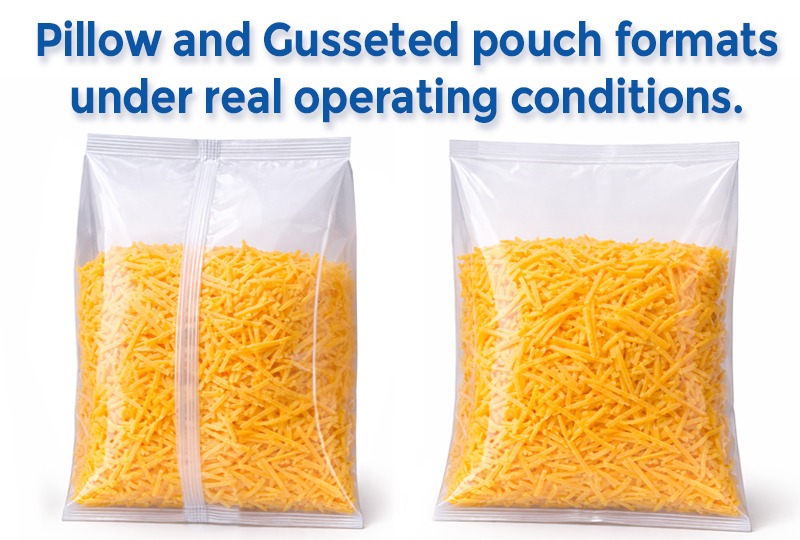
Clear pillow and gusseted pouches used for curd and shredded cheese packaging applications.
Curd and shredded cheese packaging respond differently to stacking and distribution stress. This article explains how pillow bags and gusseted formats manage compression, load distribution, and geometry retention under real operating conditions.

Why Do Feed Additive Packaging Machines Fail with Powders?

Vertobagger Hornet vertical form fill seal machine for packaging animal feed additives with Bacitracin Methylene Disalicylate bag and product sample.
Fine, dusty products like Bacitracin Methylene Disalicylate quickly expose weaknesses in machine design. A Powder Packaging Machine for Animal Feed Additives must maintain forming stability, repeatable motion, and consistent sealing as normal variation accumulates. This engineering review explains where failures begin and what to look for in equipment built for medicated feed additive applications.

Packaging Film for Medicated Feed Additives: Engineering a Laminate That Preserves Seal Integrity in a Dusty Powder Process 

Flexible multilayer packaging film displayed over fine powder used for Bacitracin Methylene Disalicylate feed additive packaging.
When medicated feed additives start leaking or drifting mid-run, the problem often begins with film. This article examines how laminate design influences seal tolerance, dimensional stability, and restart performance in dusty powder applications.

Animal Feed Additives in Powder Form: Where Packaging Formats Succeed and Where They Struggle 

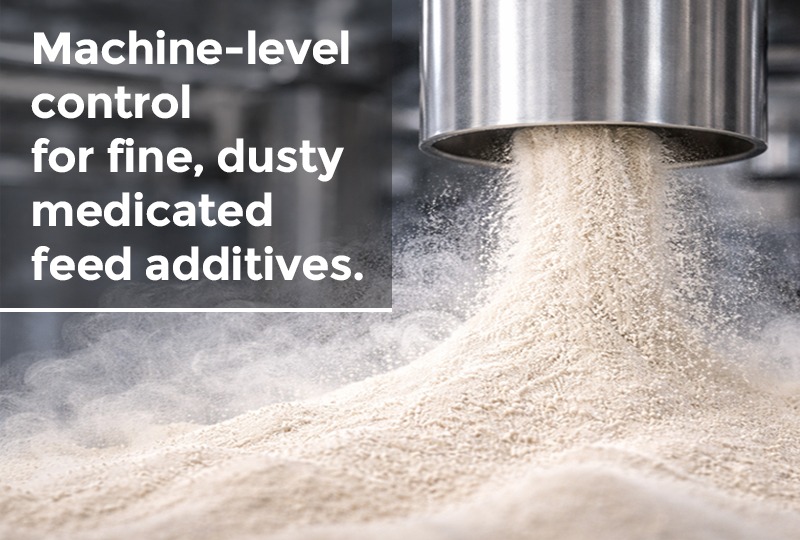
Fine, dusty medicated feed additive powder flowing from a stainless steel hopper with visible dust control during automated packaging.
Fine, pharmaceutical-grade feed additives behave very differently from bulk feed ingredients. This article reviews common packaging failure modes and explains how packaging format selection influences dust control, seal integrity, and long-term reliability in medicated feed additive applications.

Bulk Spice Packaging Machine From Failure to Stable Output

HORNET pillow bag packaging machine by Unified Flex with four large clear pillow bags filled with bulk spices (chili powder, turmeric, and crushed red pepper) on a wooden surface with fresh herbs and ingredients
Bulk spice packaging doesn’t fail at the discharge; it fails in handling, case packing, and transit. Here’s what breaks first at 10–15 lb and what to prioritize in a VFFS configuration to maintain consistent sealing and bag presentation.