Dressings, Condiments and Sauce Packaging
Blogs

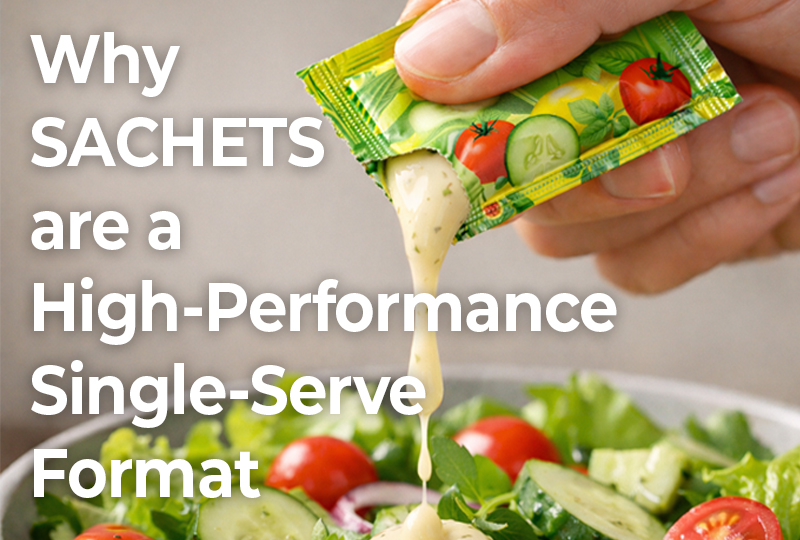
Sauces and Condiments Packaging: Why Sachets Are a High-Performance Single-Serve Format 

Single-serve sauce sachet being squeezed over a fresh salad
Sachets continue to play a critical role in sauces and condiments packaging because they’re designed for real-world use. This blog explores why the format works, what defines a well-designed sachet, and how brands can avoid common specification mistakes.

Sauces and Condiment Packaging Machine: The Real Reasons Sachet Lines Get Messy (and How to Keep Yours Boring, in a Good Way) 

Condiment packaging machine MSB508 shown with finished sauce sachets for single-serve applications
In sauces and condiment sachet production, small variation becomes expensive fast. This blog outlines the most common stability failure points and what to look for in a sauces and condiment packaging machine designed for repeatable sealing and consistent throughput.

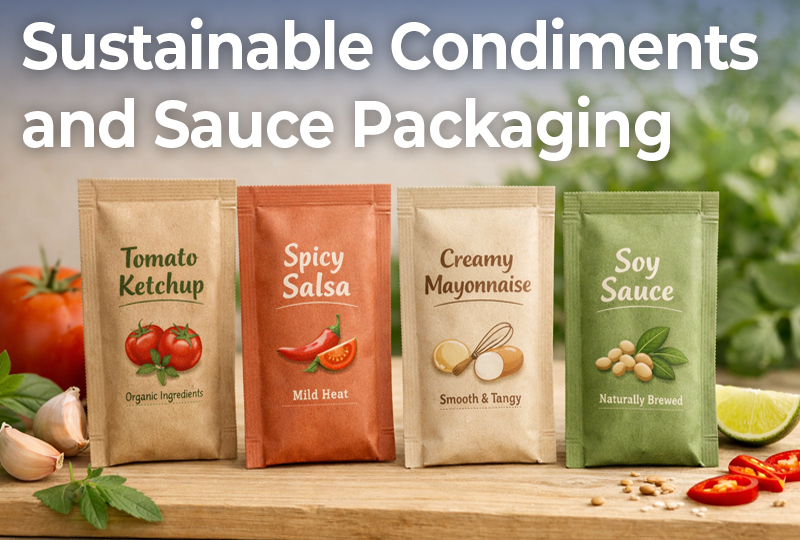
Sustainable Condiments and Sauce Packaging: Choosing Film That Cuts Waste Without Turning the Line Into a Science Project 

Sustainable sauce packaging shown through single-serve condiment sachets on a kitchen surface
Sustainable condiment and sauce packaging only works when film performance holds up in real production. This blog explains how to choose rollstock that runs consistently on VFFS equipment, reduces waste through controlled COF, thickness and sealing performance, and cuts preventable print scrap before film ever reaches the line.

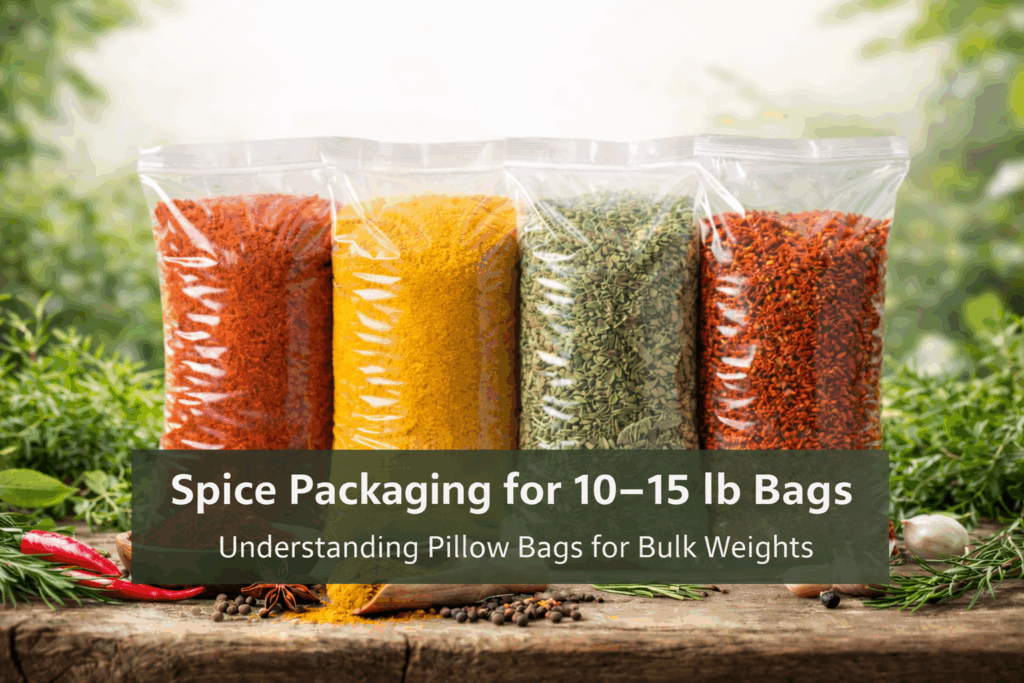
Spice Packaging for 10–15 lb Bags: Why Pillow Bags Are a High-Performance Choice 

Spice packaging in clear pillow bags filled with bulk spices, labeled for 10–15 lb pillow bag applications.
Spice packaging at 10–15 lb is a performance game; dust, moisture, and handling stress expose weak specs fast. This post explains why pillow bags and pillow bags with side gussets are a strong bulk format, and what to focus on in sizing, barrier, sealing, and distribution durability to keep cases clean and product free-flowing.