Packaging Materials
Blogs

Magnesium Hydroxide Stick Pack Packaging: Choosing Film That Cuts Waste Without Making the Line Fragile 

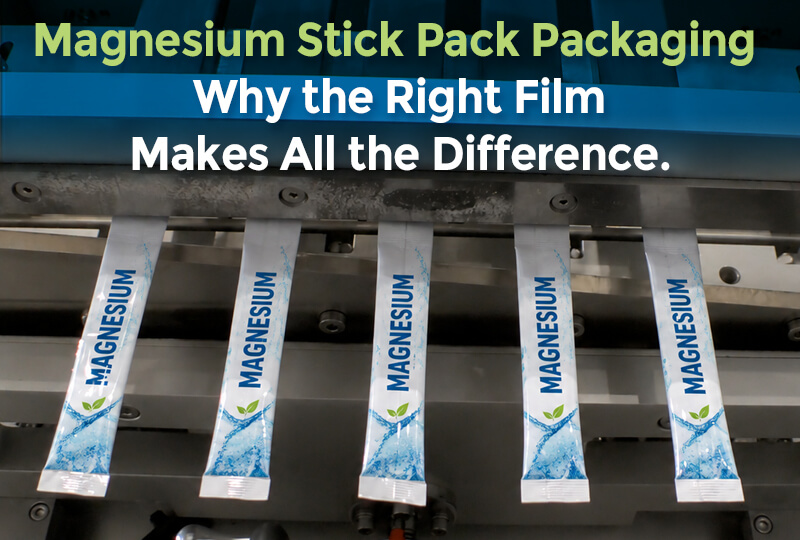
Multilane Stick Pack Machine used for packaging magnesium hydroxide powder
Magnesium hydroxide stick pack packaging only works when film performance holds up in real production. This blog explains how to choose film structures that run predictably on stick pack lines by controlling the variables that drive stability—COF, thickness consistency, and sealing performance under defined conditions, so waste reduction doesn’t come at the cost of fragile runs.

Sustainable Cheese Packaging: Choosing Film That Cuts Waste Without Making the Line Fragile

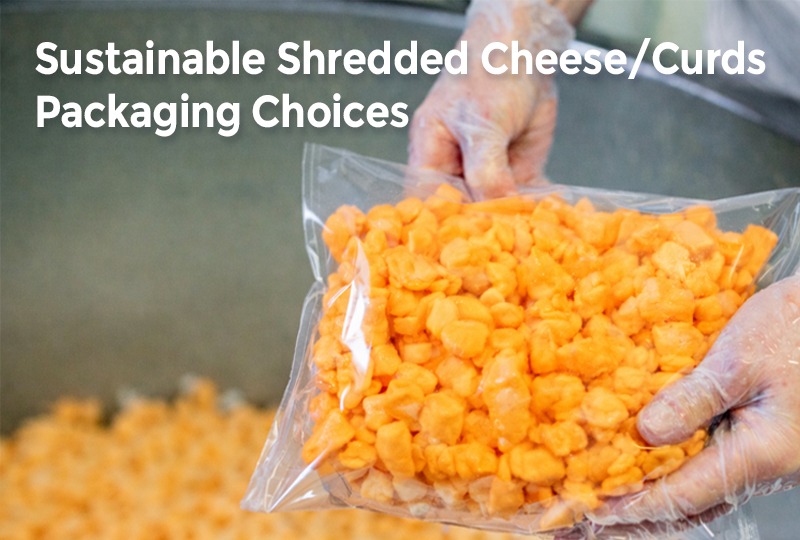
Sustainable Cheese Packaging example showing shredded cheese curds in a clear flexible pouch.
Sustainable cheese packaging only works when film performance holds up in real production. This blog explains how to choose rollstock that runs consistently on VFFS equipment, reduces waste through controlled COF, thickness, and sealing performance, and cuts preventable print scrap before film ever reaches the line, without compromising shelf life in cold-chain distribution.

Packaging Film for Medicated Feed Additives: Engineering a Laminate That Preserves Seal Integrity in a Dusty Powder Process 

Flexible multilayer packaging film displayed over fine powder used for Bacitracin Methylene Disalicylate feed additive packaging.
When medicated feed additives start leaking or drifting mid-run, the problem often begins with film. This article examines how laminate design influences seal tolerance, dimensional stability, and restart performance in dusty powder applications.

Sustainable Pet Food Packaging: Choosing Film That Cuts Waste Without Making the Line Fragile 

Rolls of flexible packaging film used for sustainable petfood packaging, shown alongside different types of dry pet food.
Sustainable pet food packaging only works when film performance holds up in real production. This blog explains how to choose rollstock that runs consistently on VFFS equipment, reduces waste through controlled COF, thickness and sealing performance, and cuts preventable print scrap before film ever reaches the line.

Sustainable Condiments and Sauce Packaging: Choosing Film That Cuts Waste Without Turning the Line Into a Science Project 

Sustainable sauce packaging shown through single-serve condiment sachets on a kitchen surface
Sustainable condiment and sauce packaging only works when film performance holds up in real production. This blog explains how to choose rollstock that runs consistently on VFFS equipment, reduces waste through controlled COF, thickness and sealing performance, and cuts preventable print scrap before film ever reaches the line.

Sustainable Detergent Packaging: Choosing Film That Cuts Waste and Runs Clean

Film-first liquid detergent packaging showing a flexible plastic film roll transforming into a spouted detergent pouch, highlighting lightweight and sustainable packaging design.
Sustainable detergent packaging isn’t measured by material claims; it’s measured by how the film behaves on the production floor. When film performance drifts, sustainability shows up as longer startups, higher scrap, more stops, and downstream cleanup. This blog takes a film-first approach to liquid detergent packaging, breaking down where waste really comes from and what needs to be controlled so packaging runs predictably, seals reliably, and holds up through real distribution conditions. Read the blog.

Sustainable Flexible Packaging for Bulk Spice: Using Film to Cut Waste Without Slowing the Line 

Spice packaging film rolls and clear pillow bags filled with bulk spices used in spice packaging applications.
Sustainable flexible packaging for 10–15 lb bulk spice is won or lost at the film level. This post shows where waste quietly builds, scrap, overbuilt barriers, print rejects, and thin films that fail, and how a film-first, test-backed approach cuts waste without slowing production.

How Unified Flex Coffee Machines Keep Your Coffee Fresh and Flavorful

See how Unified Flex custom coffee packaging machines help business owners maintain consistent freshness, flavor, and quality from production to the consumer.
Is your coffee losing aroma before it reaches the customer? Even the best beans can taste stale if packaging isn’t done right. This blog explains how Unified Flex coffee packaging machines protect freshness, lock in flavor, and extend shelf life through smart sealing, nitrogen flushing, and high-barrier packaging solutions.

Stick Pack Machines vs. Sachet Machines: Which Is Better for You?

A comparison scene showing a stick pack machine beside a sachet packaging machine with small product samples on a table in front of them.
Choosing between stick packs and sachets is not just a matter of shape, it affects speed, material use, and the way your product reaches customers. This blog breaks down how each machine works, what they handle best, and how they influence production flow so you can decide which setup fits your line with clarity and confidence.

The Quiet Evolution of Beans, Rice, and Pasta Packaging 

Three stand-up pouches labeled beans, rice, and pasta displayed against a neutral background with the text “The Quiet Evolution of Beans, Rice, and Pasta Packaging.”
Packaging dry staples like beans, rice, and pasta demands precision. This article explores how balanced film engineering, proven process control, and machine integration deliver measurable reliability, from film performance to consistent output, in modern flexible packaging systems.