
The New Rules of Brand Differentiation: Why Packaging Form Matters More Than Packaging Graphics
** A Unified Flex Packaging Technologies Brand Strategy Guide
Table of Contents
1. The Blind Spot in Modern Marketing
Marketers have spent decades obsessing over the visual language of packaging, color palettes, typography, iconography, claims, textures, and trends. But as categories get more saturated and visual identities become easier for competitors to imitate, the traditional toolkit of differentiation is losing its power. A beautifully designed pack is no longer a guarantee of competitive advantage.
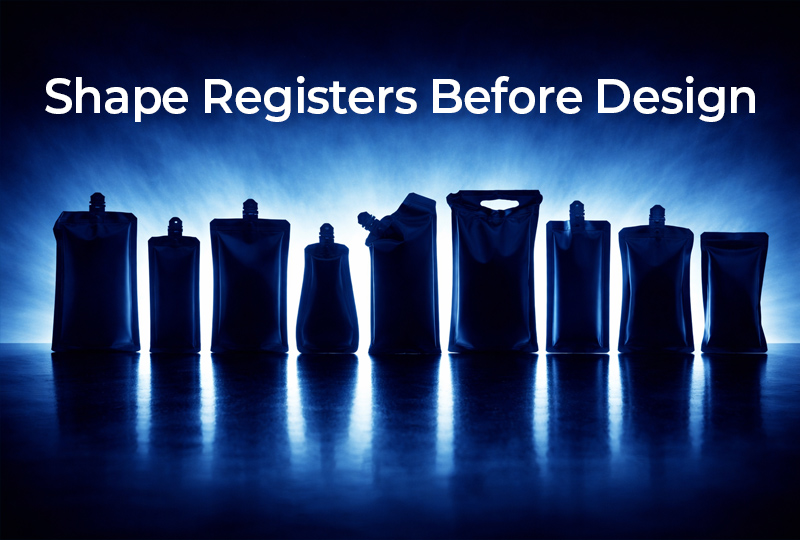
Yet, there is one piece of the packaging equation that still carries huge untapped influence: the form of the packaging itself. The structure, silhouette, and physical experience of a pack create an immediate impression long before a shopper reads a label. And in a world where decisions are made in under three seconds, form quietly determines which brands win attention… and which disappear into the noise.
Marketers often optimize the third thing the brain notices — graphics — while ignoring the first two: shape and structure. This is the blind spot. And it’s where the opportunity lies.
2. Shape Is the New Logo
Consumers process the shape of a package faster than its color, and faster than any written information. Form is interpreted by the brain’s fastest visual pathway — the same one responsible for detecting movement, threat, and opportunity. In other words, packaging isn’t just seen… it is felt instantly.
This is why flexible packaging has emerged as such a powerful branding asset. Each format carries its own subconscious message. Sachets feel clean, simple, and portion-perfect. Stick packs feel modern, active, and on-the-go. Stand-up pouches project stability, premium quality, and leadership. Pillow bags feel familiar, home-friendly, and trustworthy.
These forms communicate identity before a designer ever opens their software. Structure is the first storyteller. It defines the emotion behind the brand, the function of the product, and the expectation of quality — all before the shopper even reaches out their hand.
3. The Shelf-Level Reality: Form Wins the First Second
On the shelf, design competes — but form commands. Retailers understand this deeply. They know that the human eye is drawn not to graphics first, but to shape disruptions.
That’s why a tall stick pack in a sea of short tubs is instantly magnetic. A stand-up pouch among rigid boxes creates a natural contrast that the eye can’t ignore. Even a simple pillow bag — soft, curved, and dynamic — breaks the monotony of rigid packaging and pulls visual interest.
Shelf-level studies show that products with distinct structural cues earn quicker fixation and longer dwell times, which translate directly into better velocity and higher conversion. This is why structure is no longer a packaging consideration. It is a commercial strategy.
4. Form Shapes Brand Storytelling More Than Art Ever Will
A brand story isn’t just written on the pack, it is engineered into it. The feel of a pouch, the snap of a zipper, the crisp tear of a sachet, the slimness of a stick pack, all of these moments communicate identity.
A stand-up pouch whispers “premium.”
A sachet suggests “purity and control.”
A pillow bag says “family-friendly and value-driven.”
A stick pack announces “performance and convenience.”
These signals work on a subconscious level. They set expectations before the product is even tried. Great packaging graphics reinforce the story, but it is the physical structure that writes the first chapter.
In a market where consumers gravitate toward experiences, not just visuals, form is the new frontier of brand storytelling.
5. Why Form Accelerates Acquisition, Trust, and Loyalty
Trust is built through consistency. When a package opens smoothly, reseals reliably, pours neatly, and integrates effortlessly into daily life, the consumer forms an emotional bond with the brand. This is why the physical experience of packaging matters more than ever.
A shopper may admire design once.
But they will feel the structure every time they use the product.
That tactile consistency — the smooth tear of a sachet, the ergonomic grip of a pouch, the effortless dispensing of a stick pack — becomes part of the brand. It builds loyalty in ways advertising never can. It reduces friction, elevates perception, and ultimately increases repeat purchase behavior.
Retention, not acquisition, is where brand longevity lives — and retention is driven by experience, not aesthetics.
6. Differentiation Through Form Helps Brands Escape the Design Trap
Most categories have fallen into predictable visual clichés. Hydration brands go blue. Natural brands go green. Beauty sachets go pastel. Organic snacks follow earthy tones. And because design trends spread instantly, differentiation through graphics alone has become nearly impossible.
But structural design, choosing a packaging format that the category isn’t using, still disrupts. When every competitor uses tubs, the brand using sticks wins attention. When everyone uses bottles, the brand using pouches wins curiosity. When the shelf is filled with boxes, the brand using sachets wins trial.
This is how smart marketers escape the “design trap.” They differentiate through form, not just decoration.
Unified Flex: Turning Marketing Vision Into Packaging Reality
This is where Unified Flex enters the story. Marketers can dream of structures, forms, and packaging experiences, but someone needs to engineer that vision into physical reality. Unified Flex sits at this intersection.
We understand the marketing intention behind a structure.
We understand the engineering required to bring it to life.
We understand the speed, consistency, and product integrity needed to scale it successfully.
Marketers ideate the differentiation.
Unified Flex enables it, with machinery capable of producing sachets, stick packs, stand-up pouches, and pillow bags with precision, consistency, and brand-aligned experience.
In a world where form differentiates, Unified Flex becomes a strategic asset.
Final Thought: Design Decorates. Structure Defines.
The brands that win in the coming years will not be the ones with the prettiest labels; they’ll be the ones with the smartest forms. Packaging graphics may attract interest, but packaging form earns attention, shapes experience, and builds loyalty.
Structure has become strategy.
Form has become branding.
And the brands who understand this shift will lead their categories while others compete on color palettes and slogans.
Marketers who embrace form as the new frontier of differentiation will build brands that aren’t just seen, they’re chosen and Unified Flex will be the partner that makes those forms possible.