Equipment
Blogs

Tea Powder Packaging Machines for Matcha: Maintaining Repeatability in Controlled Production 

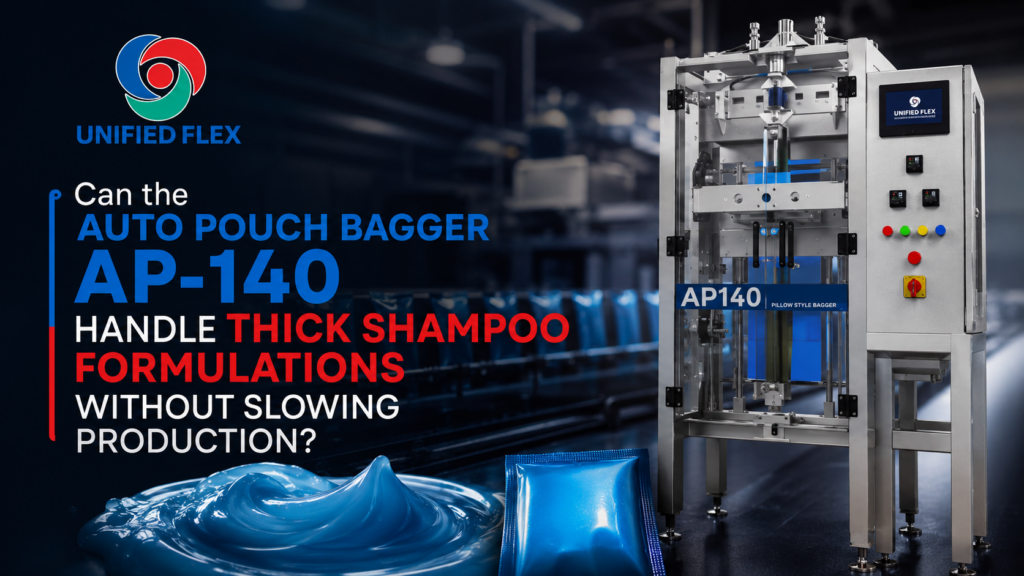
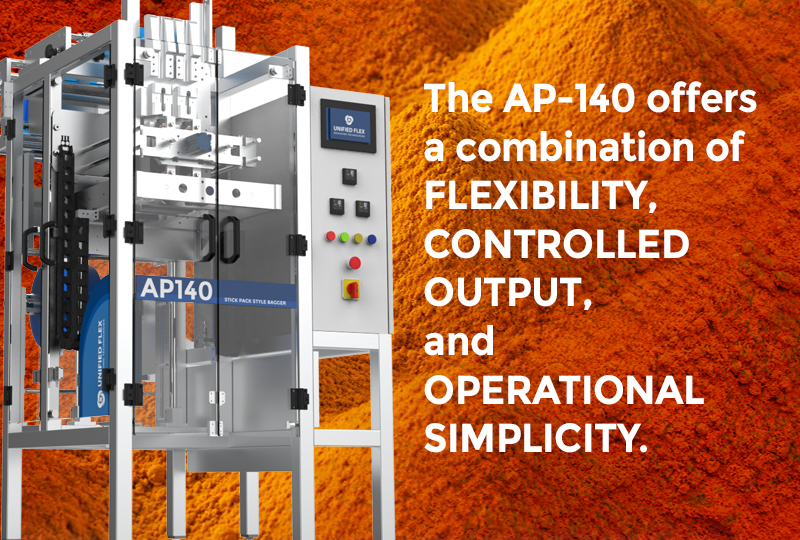
AP-140 tea powder packaging machine for matcha with automated pouch filling system
Matcha packaging doesn’t fail at startup, it becomes inconsistent over time. This blog breaks down where variability appears, why repeatability becomes the real constraint, and how tea powder packaging machines are evaluated in controlled production environments.

Why Is Web Width and Bag Size Critical in Coffee Packaging Efficiency?

Industrial coffee packaging scene with a stainless steel rotary pouch packaging machine in the background, slightly out of focus. In the foreground, several coffee bags of different sizes and widths are arranged on a reflective metal surface. The bags include brown, white, black, and gold finishes with coffee bean graphics and labels such as “Coffee,” “Organic Coffee,” and “Espresso.” Roasted coffee beans are scattered around, alongside burlap sacks filled with beans and rolls of packaging material. The setting appears to be a modern packaging facility with soft lighting, blurred conveyor belts, and stacked boxes in the background, emphasizing production scale and efficiency.
Web width and bag size play a key role in coffee packaging, affecting machine speed, material use, and production consistency, while helping maintain freshness and reduce operational costs.

Why Are Smart Sauce Packaging Machines Transforming the Food Industry?

Learn how smart sauce packaging machines improve efficiency, reduce waste, and ensure consistent sealing for modern condiment production lines.
Smart sauce packaging machines are reshaping production by ensuring consistent fills, stable seals, and precise portions. They reduce leaks, minimize waste, and keep high-volume condiment lines running smoothly.

Can Powder Filling Machines Handle Multiple Types of Powders Without Waste?

Learn how Unified Flex powder filling machines handle multiple powders efficiently, reducing waste and maximizing production margins.
Can automatic powder filling machines handle fine, dusty, or moisture-sensitive powders without waste? See how precision dosing, sealing, and dust control keep multiple powders consistent across production lines.

Inside a VFFS Machine: The Film Path Every Plant Engineer Should Understand 

Film path illustration inside a VFFS machine showing how packaging film moves through rollers and forming system
This article breaks down the film path inside a VFFS machine and explains how each stage affects package quality. It helps plant engineers and maintenance teams understand where defects often begin, how film behavior changes through the machine, and why upstream issues are often the real cause of downstream sealing problems.

Nuts Packaging Machine: Designing Stable Packaging Lines for Almonds, Cashews, and Trail Mix Production

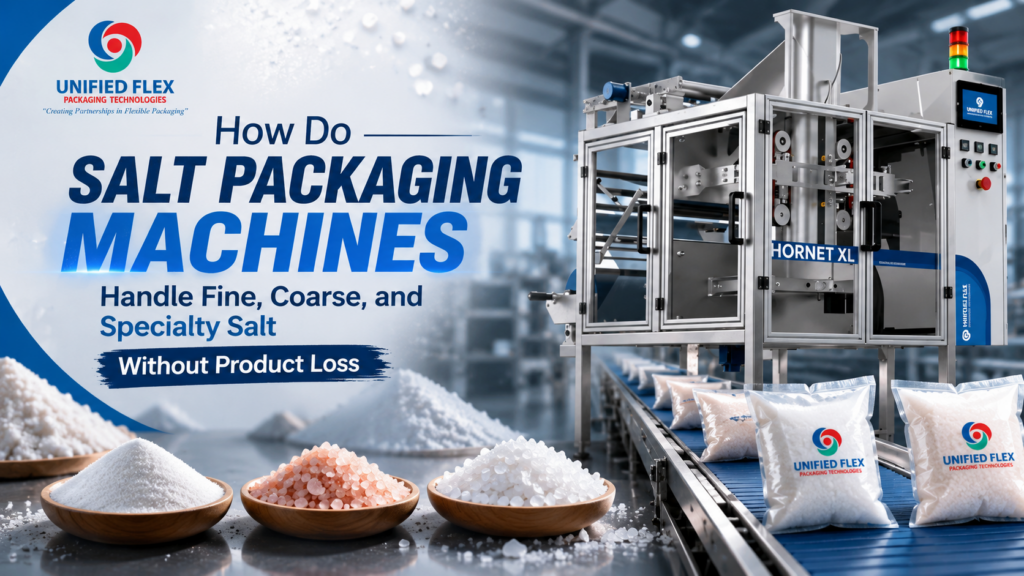
Nuts packaging machine featuring SIGMA stand-up pouch bagger and HORNET VFFS system for automated nut packaging
Nuts packaging machines must maintain pouch geometry, seal integrity, and repeatable operation across long production runs. This article explains how packaging systems handle almonds, cashews, pistachios, and trail mix while maintaining stable performance and consistent pouch quality.

Multilane Stick Pack Machines for Magnesium Hydroxide: Keeping Dosing and Sealing Stable at Scale

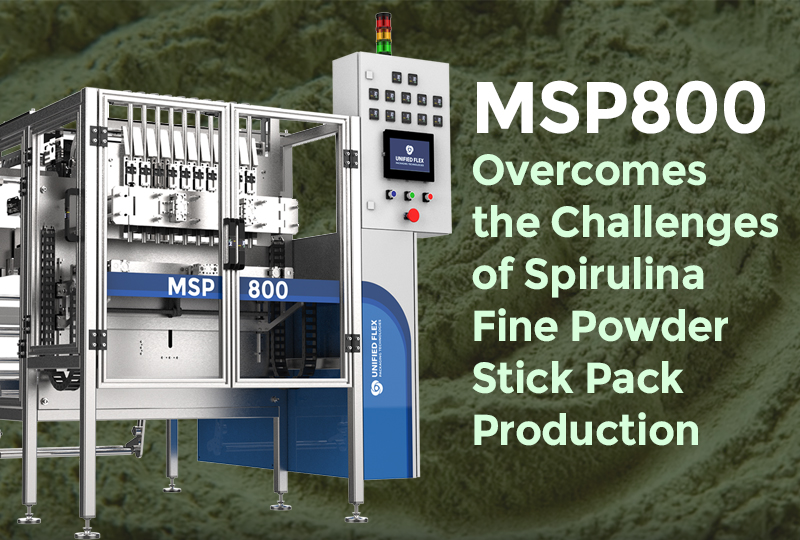
MSP800 multilane stick pack machine for powder packaging
Magnesium hydroxide packaging can become harder to stabilize as production volumes increase. This article explains how multilane stick pack machines help maintain consistent dosing, reliable seals, and stable film handling in high-volume powder packaging.

Cheese Packaging Equipment: Designing VFFS Lines for Stability in Shredded Cheese and Curd Production

Falcon and Hornet vertical form fill seal machines used as Cheese Packaging Equipment for shredded cheese applications.
Cheese packaging equipment is tested after startup, during long shifts, roll changes, and repeated changeovers. This blog explains why shredded cheese and curds expose drift in forming alignment, film indexing, and horizontal seal engagement, and how a repeatable VFFS architecture preserves pouch geometry and seal integrity under sustained production.

Powder Packaging Machines for Animal Feed Additives: When Equipment Design Controls, or Reintroduces, Risk 

Vertobagger Hornet vertical form fill seal machine for packaging animal feed additives with Bacitracin Methylene Disalicylate bag and product sample.
Fine, dusty products like Bacitracin Methylene Disalicylate quickly expose weaknesses in machine design. A Powder Packaging Machine for Animal Feed Additives must maintain forming stability, repeatable motion, and consistent sealing as normal variation accumulates. This engineering review explains where failures begin and what to look for in equipment built for medicated feed additive applications.

Pet Food Packaging in Bulk Applications: Where Formats Succeed, and Where They Struggle 

Grain-free dog food bags displayed in modern pet fodd packaging, with a dog eating from a bowl in the background.
Bulk pet food packaging introduces challenges that don’t appear in lighter applications. This article examines common failure modes, instability, opening inconsistency, and seal variability and explains how pouch format design influences performance on the plant floor.